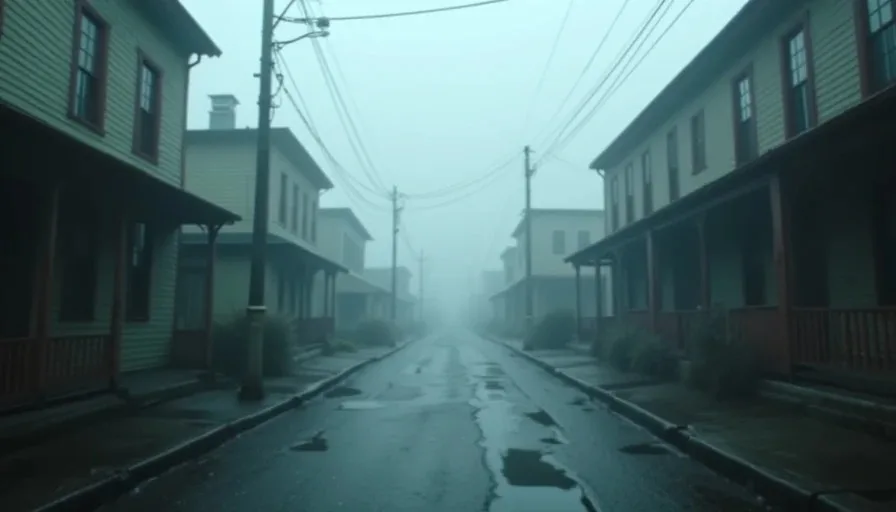
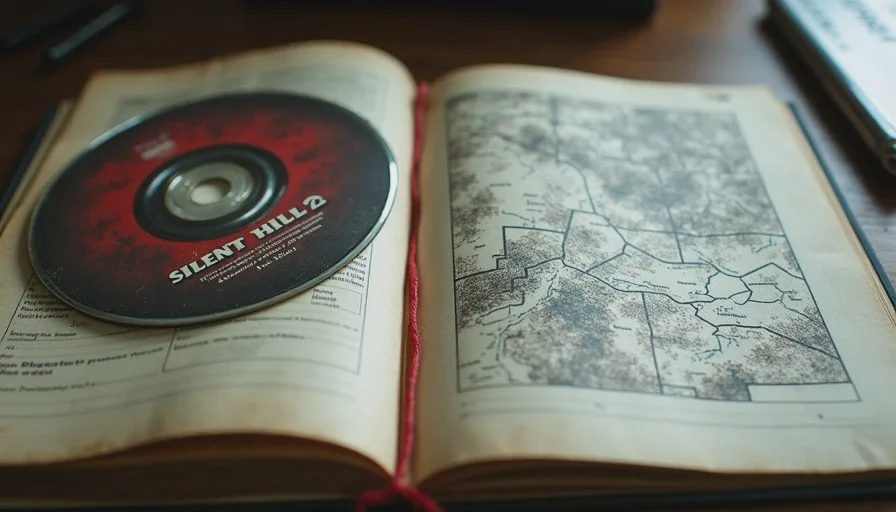
I replayed Silent Hill 2 on a stretch of overcast evenings, using a disc that still had the original case and a manual that treated the town’s map as incomplete on purpose. The question was not whether the fog still looked effective. The question was whether the fear still functioned, or whether what remained was a clearer reading of grief and guilt that the first encounter had registered mainly as dread.
Some games don’t age well. Some just wait for you to catch up. Silent Hill 2 waited for a culture more willing to sit with sadness as the primary register. What remains is still unsettling. Whether it is still “scary” in the jump-scare or survival-horror sense is a harder question—and a more useful one.
What the Second Play Clarifies
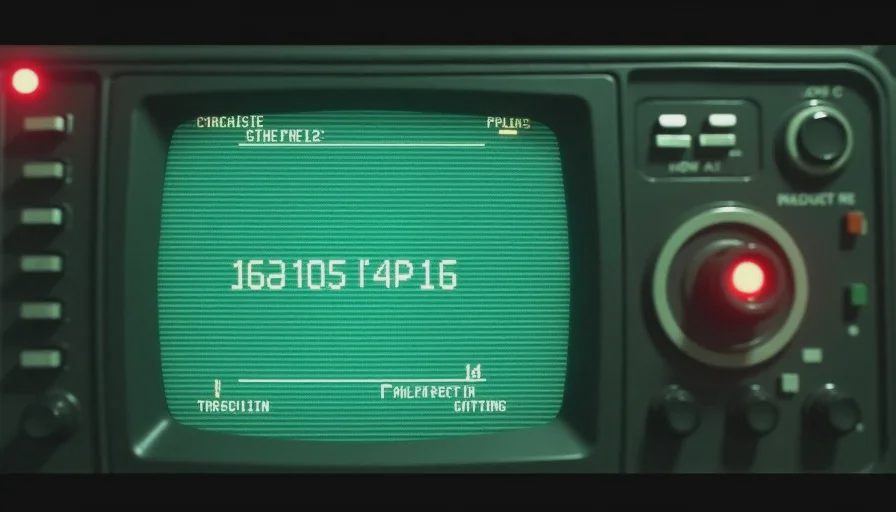
In 2001 the fog, the radio static, and the otherworld transitions did the work of keeping the player off-balance. Those techniques still operate. What has become clearer is how consistently the game routes every system and every encounter back to James’s private catastrophe. The monsters are not generic threats. They are readings of a single character’s inability to face what he did. That reading is easier to hold when you are no longer primarily tracking ammo and door codes.
A Working Distinction
Register | How It Functioned in 2001 | How It Reads in a Second Play |
|---|---|---|
Immediate dread | Fog, static, limited visibility | Still effective; surfaces remain strong |
Spatial pressure | Otherworld shifts, looping streets | Still coherent; town still feels wrong |
Emotional core | Present but often secondary to survival | Now primary; harder to miss |
Violence | Disturbing, sometimes spectacular | Reads as expression of the core rather than set piece |
Ending | Multiple, tied to player behavior | Still consistent with the theme of avoidance and recognition |
The table is not a claim that the fear has disappeared. It is a claim that the sadness was always the load-bearing structure, and that a second play makes the structure harder to overlook.
Scariness Versus Legibility
Fear in the original encounter was partly the fear of not understanding. The town refused to explain itself. The monsters refused to behave like standard enemies. That opacity produced a specific kind of tension. On a second play the opacity is reduced. You know the shape of the story. What remains is the consistency with which every element serves the same emotional argument. That consistency can still unsettle. It unsettles differently.
I am not interested in declaring the game “not scary anymore.” I am interested in the possibility that we have become better at recognizing the sadness that was always organizing the scares. The radio static still works. The fog still works. The long walk down a corridor toward a door you do not want to open still works. What has changed is the frame in which those moments sit.
The Notes After the Session
I drafted the first observations in the usual booth, with the legal pad and the thin coffee. The thrift location of the disc was already written at the top. The question was whether the game still produced a physical response or only a recognitional one. The answer was mixed: some corridors still tightened the chest; more of the runtime now registered as a sustained argument about guilt that no longer needed the first-time opacity to land.
The second play also changes the role of the monsters. On a first run they function as obstacles and as unexplained dread. On a return they function more clearly as readings of James’s avoidance. That does not make them less effective in the moment. It makes their design intention harder to miss. The game was always organizing its horror around a private catastrophe. We may simply have better language now for the kind of story it was telling, and that language makes the sadness legible without removing the fog or the static.
I am careful not to turn this into a claim that the game is “really” only about grief and therefore no longer scary. The corridors still tighten the chest. The radio still works. What has shifted is the frame. The frame is useful. It does not replace the need to walk the town again and notice what still resists explanation. Some of the resistance remains. That remainder is why the second play is still worth the evenings it takes.
Who This Replay Is For
If you need the original opacity and the first-time dread, a second play will feel different and possibly thinner. If you are willing to meet the game as a sustained piece of emotional architecture that happens to use horror techniques, it still holds. The sadness was never a secondary theme. It was the design. We may simply be better at reading it now.
Some games don’t age well. Some just wait for you to catch up. Silent Hill 2 waited for the culture to develop a clearer vocabulary for the kind of story it was telling. The fog is still there. The static is still there. The question of whether it is still scary is less important than the fact that the sadness remains legible—and still difficult to look at directly.