There is a particular kind of quiet that comes with playing metroid gba games again as an adult. You find the old cartridge in a drawer, or load an official re-release on a modern handheld, and suddenly the years between then and now become less important. The screen is smaller than you remember. The rooms are still dark. Samus still moves through them with the patience of someone who knows the map will eventually give up its secrets.
For many players, metroid gba means two very different games: Metroid Fusion and Metroid: Zero Mission. One is a tense, guided science-fiction thriller. The other is a carefully rebuilt version of the original adventure. Both remain worth playing, but they ask for different kinds of attention than they did when we were younger.
What makes Metroid GBA special
The Game Boy Advance was not a powerful machine by modern standards, but it had a useful limitation. Its games had to communicate quickly, using strong silhouettes, compact rooms, and music that could establish a mood with only a few notes. Metroid Fusion understood that perfectly. Its station corridors feel clinical and lonely, while the threat of the SA-X gives familiar hallways an uncomfortable second meaning.
Zero Mission takes a different route. It is brighter, more agile, and more generous with movement. The map is easier to read, the controls feel cleaner, and the upgrades arrive at a satisfying pace. It preserves the lonely foundation of the first Metroid while removing much of the confusion that came from wandering through an older game without a map.
That contrast is why the metroid gba catalog still feels substantial. These are not two versions of one idea. They are two arguments about what a Metroid game should be: a controlled journey through a dangerous place, or a broad maze that rewards patient observation.
Metroid Fusion is the more unusual replay
When I return to Fusion now, I notice how much of its identity comes from restriction. The story gives you objectives, computer terminals tell you where to go, and the station is divided into sectors with clear visual personalities. Some players see that structure as a betrayal of the free-form design associated with Super Metroid. I understand that complaint, but it misses what Fusion is trying to do.
Fusion is about being watched and managed. Samus is not simply exploring; she is following instructions from a system she does not fully trust. The SA-X changes the emotional temperature of the game because it represents a version of Samus that does not need permission. It is stronger, faster, and frighteningly calm.
The game also benefits from its short, focused length. You can finish a run over several evenings without turning the experience into another obligation. The rooms are memorable because they serve a clear purpose. Even the more linear sections build toward a feeling of escape, as if the entire station has become a locked office after everyone else has gone home.
Zero Mission feels better in the hands
If Fusion is the more distinctive game, Zero Mission is often the easier recommendation. Its movement has a smooth rhythm that makes basic travel satisfying. Running, jumping, shooting, and morphing into a ball feel connected rather than mechanical. The game rarely asks you to fight the controls before you can fight a boss.
The original Zebes map is still recognizable, but Zero Mission adds new areas, revised encounters, and a late-game section that changes Samus's role in an interesting way. The result is not merely a prettier remake. It is a reinterpretation that understands why the original mattered while refusing to preserve every inconvenience.
That makes metroid gba especially appealing to players who grew up with games that expected them to draw maps on notebook paper. You still need to remember rooms and doors, but the process feels like discovery instead of paperwork. A blocked passage is a question. A new beam is an answer. The loop remains simple, and simplicity is part of its strength.
How the games hold up on modern screens
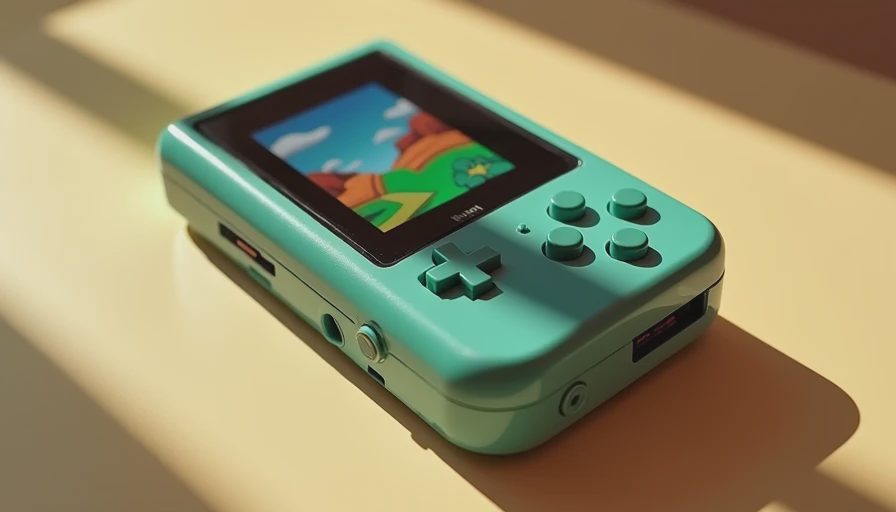
The biggest adjustment is the screen. On original hardware, the GBA display made every room feel intimate, sometimes uncomfortably so. Modern screens offer sharper images and better lighting, but they can also make the games feel less like objects and more like software. That difference matters. A worn cartridge with a faded label carries the atmosphere of a particular afternoon in a way a menu icon cannot.
Still, modern play has practical advantages. Save states can help when life interrupts a session, although regular save rooms preserve the intended rhythm. A larger screen makes map details easier to read, and a comfortable controller can make long sessions less tiring. The best setup is the one that keeps your attention on the rooms rather than on hand cramps or a dying battery.
For anyone searching metroid gba today, official collections are the cleanest route when available. They avoid questionable downloads and usually provide a stable way to experience both games. A used original copy can be wonderful too, but prices, battery condition, and cartridge authenticity deserve attention before money changes hands.

Choosing which game to play first
Start with Zero Mission if you want movement, exploration, and a welcoming introduction. It teaches the basic language of Metroid without making every early mistake feel permanent. The map gives you enough direction to keep moving, while optional expansions reward players who look behind suspicious walls and revisit old routes.
Choose Fusion first if you prefer atmosphere, story, and a stronger sense of danger. Its progression is more deliberate, and its enclosed setting creates a mood closer to a science-fiction suspense film than an open-ended adventure. It is also a good choice for a week when you have limited time. The game keeps placing a clear next step in front of you.
Playing both in release order can be rewarding: Fusion first, then Zero Mission. That sequence shows how the same hardware supported two different design philosophies. Playing Zero Mission first, however, gives you a gentler introduction before Fusion starts closing doors behind you.
The quiet value of returning
The appeal of metroid gba is not simply that these games were good once. It is that they remain readable. Their goals are clear, their worlds have strong shapes, and their best ideas do not depend on online features or a crowded release calendar. You can set one down for six months and still understand what it wants from you when you return.
I think about that on Saturday mornings in used bookstores and thrift shops, where old strategy guides sometimes turn up with phone numbers, grocery lists, or hand-drawn maps tucked inside. Someone once needed those notes. Someone cared enough to mark a hidden missile expansion. Years later, the paper has softened, but the route is still there.
Some games don't age well. Some just wait for you to catch up. Metroid Fusion and Zero Mission belong to the second group. They are compact, thoughtful adventures for players who have less free time now but perhaps more patience. If you have been wondering whether metroid gba still deserves a place on your handheld, the answer is yes. Start with Zero Mission for the cleanest return, then let Fusion take you somewhere stranger.