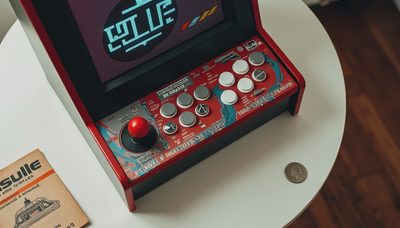
There is a particular sound to an old arcade game running in a quiet room: a sharp electronic jingle, a few beeps from the attract screen, and then the soft click of a button that has outlived the cabinet around it. The snk arcade classics games collection tries to bottle that sound. It gathers a broad slice of SNK history, from fighting games to run-and-gun shooters, and places it somewhere more convenient than a dark corner of a bowling alley.
Convenience is not the same thing as preservation, though. A collection can be useful without being complete, and nostalgia can make a quarter-eating machine seem more generous than it was. Coming back to these games now means asking a better question than whether they were important. Do they still feel good after work, dinner, and the ordinary weight of being an adult?
What is inside the collection?
The appeal of snk arcade classics games begins with its range. Metal Slug supplies the loud, hand-drawn chaos: soldiers diving under bullets, prisoners waving from cages, and vehicles that look ready to fall apart in the most entertaining way possible. Samurai Shodown slows the room down, replacing frantic punches with tense spacing and sudden, brutal sword strikes. King of Fighters brings team-based competition, while Shock Troopers offers a rougher, more direct path through enemy-filled streets.
The exact lineup depends on the release and platform, so anyone buying a used copy should read the back of the case rather than rely on a memory from a video or magazine. That small bit of homework matters. Some versions emphasize famous fighters; others make room for less remembered curiosities. The pleasure is not only in finding a favorite but in discovering a game that used to sit unnoticed beside it.
These are not museum pieces presented behind glass. They are compact arcade designs built around repetition. A stage lasts a few minutes. A loss teaches one narrow lesson. A better run begins almost immediately, with no sprawling map or twenty-minute cutscene asking for your attention.
Why these games still work
The best snk arcade classics games understand the value of a clean response. Press the button and the character swings. Move toward an enemy and the screen gives you enough information to understand what went wrong. Even when the difficulty is severe, the rules are usually visible. That clarity feels refreshing after years of games filling every corner with icons, currencies, and small chores.
Metal Slug remains the easiest doorway for a returning player. Its animation has a looseness that modern pixel art often imitates but rarely captures. A character stumbles, a tank rocks on its wheels, and a background object erupts with more personality than it strictly needs. The jokes are broad, but the timing is precise. You can play for fifteen minutes and still remember several individual frames the next morning.
The fighting games ask for more patience. Samurai Shodown is not a button-mashing museum attraction; it is a game about distance, hesitation, and reading a rival. King of Fighters can feel even less welcoming when old muscle memory has faded. Yet that resistance is part of the reason to return. These games do not flatter an adult player with a generous tutorial and a reward every few seconds. They simply put the match in front of you and wait.
The rough edges you should expect
A thoughtful revisit should not sand away the problems. Arcade difficulty often means limited continues, sudden enemy behavior, and bosses designed to separate a player from another quarter. The original business model is still visible beneath the home release. You may understand a stage perfectly and still lose because the screen has become crowded with projectiles, soldiers, or traps.
Presentation can also feel uneven. Menus are functional rather than inviting, and some older ports carry the dry texture of a rental-store disc that spent years in a plastic case. Display options, save features, and control settings vary by version. A modern television can make early arcade graphics look harsher than they did on a small tube set in a basement rec room.
That does not make the collection worthless. It simply changes the ideal way to play. Keep the session short. Sit closer than you would for a modern open-world game. Use a controller with a firm directional pad if possible, because an analog stick can turn a deliberate fighting-game input into an accidental diagonal. The goal is not to recreate every condition of 1993. It is to recover the rhythm.

A better way to revisit the library
Start with one familiar game, then choose one unfamiliar title. That pairing keeps the evening from becoming a greatest-hits checklist. A Metal Slug run can be followed by a few rounds of Samurai Shodown, then a quieter experiment with a shooter or sports game. Give each selection at least three sessions before judging it. The first attempt is often just an inventory of old reflexes that have gone missing.
I like to approach snk arcade classics games the way I approach a thrift-store box of paperbacks. The cover gets my attention, but the condition tells another story. A game that once seemed too difficult may become manageable when played in ten-minute pieces. Another title may reveal itself as mostly noise once the glow of childhood memory wears off. Both results are useful.
This is also where a notebook helps. Write down which character felt natural, which stage caused trouble, and whether the soundtrack stayed in your head afterward. Those details seem excessive until a week passes and every game has blended into one bright arcade haze. A small record turns replay into attention rather than consumption.
Who should spend time with it?
This collection suits players who miss concentrated games more than they miss old hardware. It is a good fit for someone with a PS2-era backlog, a busy household, or only an hour before sleep. The games offer immediate action without demanding a long campaign commitment. They also work well with a friend on the couch, particularly when friendly competition replaces the pressure to finish anything.
It is less ideal for a player expecting every title to feel equally polished. SNK's catalog has peaks and odd corners. Some entries are elegant, some are fascinating because they are strange, and some are best appreciated as evidence of what arcades were willing to put in front of a paying customer. The unevenness is part of the historical texture, even when it tests your patience.
The lasting value of the collection
The real strength of snk arcade classics games is not that they restore the past perfectly. Nothing can restore the smell of carpet, the cold metal edge of a cabinet, or the nervous calculation of spending your last coins. What the collection can do is provide a doorway. On a rainy Saturday, after a thrift run and a cup of diner coffee, it lets you sit down and meet these games without pretending you are still the person who first saw them.
Some games don't age well. Some just wait for you to catch up. SNK's best arcade work belongs to the second group, though it asks for a little humility. Begin with one run, accept a few ugly losses, and let the collection remain a collection rather than a monument. The old machines were never asking to be worshiped. They were asking for one more quarter.