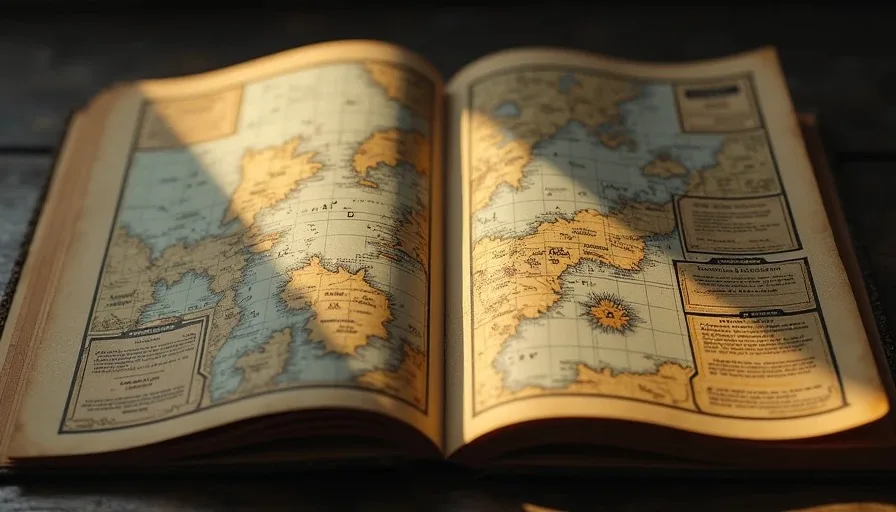
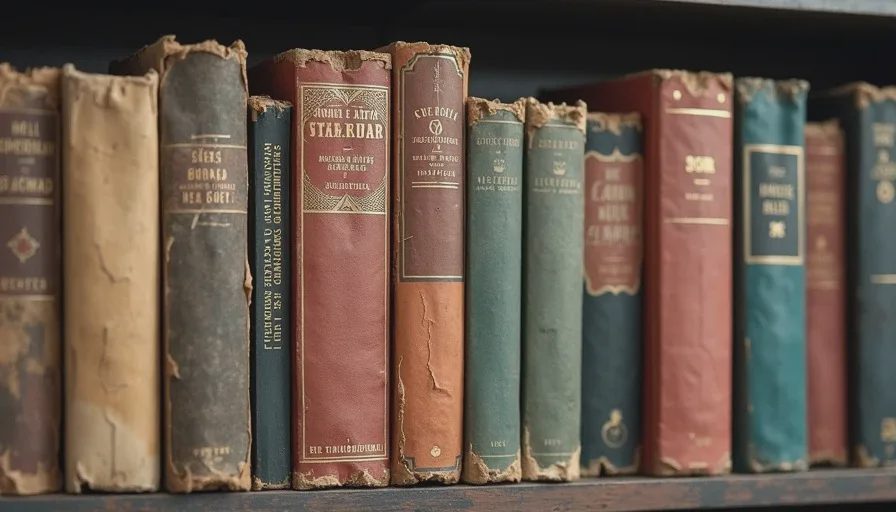
I keep a small shelf of used strategy guides in the apartment above the dental office. Most of them came from thrift stores and library sales in eastern Iowa. The spines are broken. The maps are sometimes missing. The handwriting in the margins belongs to other people. What they still understand—better than most modern wikis—is how a game feels when you are inside it without a complete solution already open in another tab.
A wiki is optimized for coverage and speed. An old strategy guide was optimized for accompaniment. That difference still matters when you are replaying older titles and trying to recover the texture of the original encounter.
What the Guide Format Forced
Printed guides had page limits, production schedules, and a single authorial voice. They could not update after launch. They had to decide what was worth explaining and what could be left for the player to discover. Those constraints produced a different kind of document.
The Practical Contrasts
Feature | Old Strategy Guide | Typical Modern Wiki |
|---|---|---|
Voice | Single or small team, consistent tone | Crowdsourced, variable tone |
Completeness | Selective by necessity | Aims for total coverage |
Timing | Written close to launch, fixed | Continuously updated |
Physical presence | Sits beside the console | Lives on a second screen |
Failure | Cannot be corrected later | Edited in real time |
Discovery | Leaves some paths implied | Often lists every outcome |
The table is not a claim that guides were always better. Many were padded, inaccurate, or written under the same marketing pressure as the games themselves. What they preserved was a sense of proportion. They could not afford to explain everything, so they had to choose. That choice is part of what makes them useful as historical objects and as companions for a second play.
Why the Physical Object Still Helps
When I replay an older game, I sometimes open the corresponding guide even if I already know the route. The act of turning pages, of seeing the original maps and item lists, restores a pace that the wiki’s search bar erases. The guide does not jump to the exact paragraph you need. It makes you move through the structure the authors chose. That movement is closer to the way the game itself was originally encountered.
The margin notes left by previous owners are another layer. A circled boss pattern, a crossed-out item location, a reminder about a missable scene—these are records of actual play. A wiki edit history is public and collective. A handwritten note is private and specific. Both have value. Only one still feels like evidence of a single person’s struggle with the same systems you are facing.
What Wikis Do Better—and What They Erase
Wikis are better at accuracy after patches, at listing every possible outcome, and at correcting errors in public. They are worse at preserving the feeling of not knowing. When every secret is already mapped and every dialogue tree is already logged, the second play can become a verification exercise rather than a re-encounter. The old guides, for all their flaws, still carry the shape of a first attempt at understanding.
I found a heavily annotated guide to a mid-tier PS2 RPG at a church thrift two towns over. The previous owner had written page numbers for every missable item and then, near the end, a short note: “Stop checking. Just play.” That sentence is not something a wiki tends to produce. It is the kind of residual advice that only appears when someone has already done the completionist work and decided it was not the point.
I still pull a guide off the shelf the night before a replay even when I know the route. The paper forces a different speed. You cannot Ctrl-F a boss name and skip to the paragraph. You have to turn pages, pass maps you do not need yet, and sit with the order the writers chose. That order is part of what the game originally asked of its first players. A wiki collapses that order into a search result. The guide keeps it intact, for better and for worse.
The library job reinforces the same lesson. People still check out paper guides long after the digital versions exist. Some of them are completing a childhood title for the first time. Some are returning after twenty years and want the original voice in the room with them. I do not tell them the wiki is faster. I let them take the worn copy and see what the paper still does. The same habit shapes the writing here: the physical object is not decoration. It is a different kind of attention.
Keeping Both Without Confusing Them
I use wikis when I need a precise fact. I keep the old guides when I want the texture of accompaniment. The two formats answer different questions. The guide asks: how was this game first explained to people who could not look everything up? The wiki asks: what is the current complete record? For a site that cares about second plays and physical residue, both questions matter. Only one of them still smells like paper and other people’s handwriting.
Some games don’t age well. Some just wait for you to catch up. The strategy guides that survive on thrift shelves are one of the ways you can still hear the original attempt to help players through. They are incomplete, dated, and sometimes wrong. They are also among the clearest remaining documents of how these games were first lived with. That is reason enough to keep them on the shelf and to open them again when the second play begins.