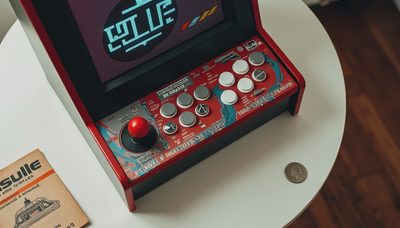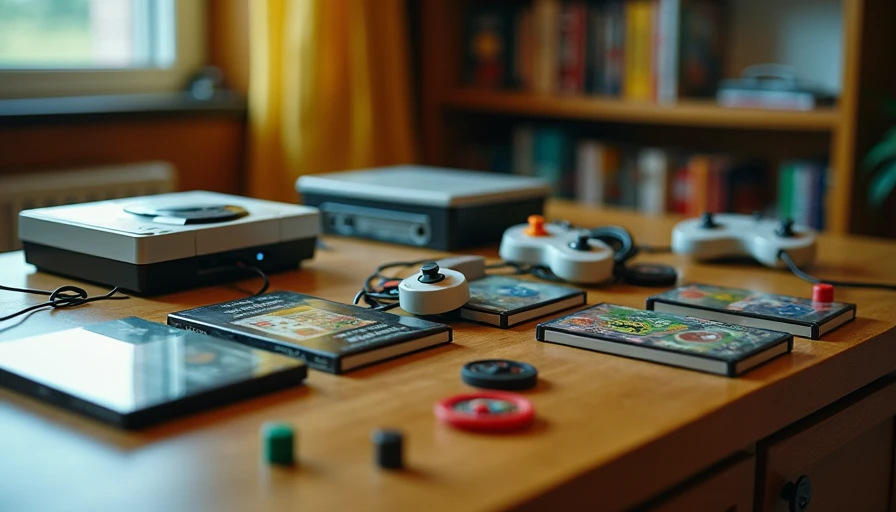
The phrase arcade treasures ps2 usually points toward Midway's Arcade Treasures collections, a set of PlayStation 2 compilations that brought old cabinets into living rooms. I remember seeing these discs in thrift-store bins beside scratched sports games, their simple covers promising a whole room of machines for the price of lunch. Two decades later, the appeal is less about owning every classic and more about finding a few games that still feel good after the evening has gone quiet.
These collections are not museum pieces in the strict sense. They are practical snapshots of arcade history, with menus, interviews, bonus material, and plenty of games that reveal their age within minutes. Still, the best entries offer something a modern retro subscription often cannot: a small, self-contained shelf of games you can put in the console and understand immediately.
What the PS2 collections actually include
When people search for arcade treasures ps2, they are often looking for one of three Midway compilations. Midway Arcade Treasures gathers early hits such as Defender, Joust, Robotron: 2084, Sinistar, Tapper, and Paperboy. Midway Arcade Treasures 2 leans into games including Mortal Kombat II, NARC, Gauntlet II, Spy Hunter, and Wizard of Wor. Midway Arcade Treasures 3 is the stranger, more specialized set, with titles such as Super Off Road, Smash TV, Splat!, and the wonderfully odd Bubbles.
The exact lineup matters because these are not evenly curated volumes. The first collection is historically broad and probably the easiest recommendation for someone who wants the basic Williams and Bally-Midway experience. The second has more immediately recognizable action, especially if Mortal Kombat or Gauntlet was part of your teenage landscape. The third feels more like a crate dug out from the back of an arcade, full of games that reward curiosity rather than familiarity.
Some versions and regional releases can differ, so checking the back cover before buying is sensible. Used copies are common, and a complete case with a readable disc usually costs less than a new dinner for two.
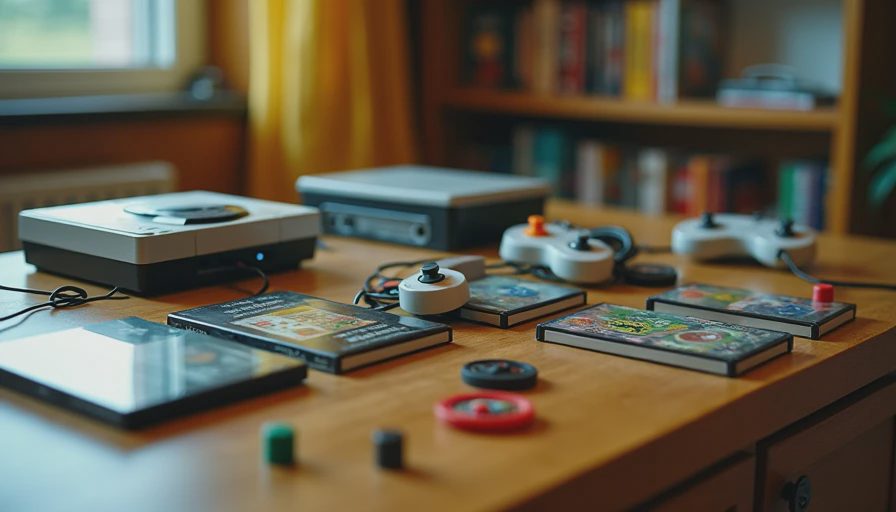
How these games feel in 2025
The first surprise is how little time many arcade games require. You do not need to remember a sprawling plot or clear a weekend for a campaign. You can play Defender for ten minutes, lose a few ships, and walk away with a complete experience. That makes arcade treasures ps2 unusually well suited to adult players whose free time arrives in short, uneven pieces.
The second surprise is how demanding the old design can be. Defender throws information at you until the screen feels like a storm. Robotron expects quick movement and constant attention. Paperboy looks cheerful until a mailbox, tire, or runaway lawn mower ruins an otherwise respectable ride. These games were built around repeated attempts and high-score habits, not comfort. A modern player accustomed to checkpoints may initially read that difficulty as unfair.
Yet the controls are often clean enough to explain the challenge. There is not much between your hands and the result. If a run fails, the reason is usually visible: a late turn, a missed enemy, a greedy attempt to rescue one more character. That clarity is part of their continued charm.
The collection that makes the strongest starting point
For most people, the original Midway Arcade Treasures is the safest place to begin. It gives you the widest historical spread and includes several games that remain influential without requiring a long explanation. Joust still has a funny, floaty tension. Robotron remains ferocious. Tapper turns a bar counter into a compact test of memory and timing, while Rampage offers a more relaxed kind of destruction.
The menus are not elegant by current standards, and the presentation can feel like a software catalog rather than a carefully designed archive. That plainness is not entirely a flaw. You browse, choose a game, and play. There are no seasonal rewards, account prompts, or enormous introductory sequences asking you to admire the interface.
Arcade treasures ps2 works best when treated as a living shelf rather than a definitive history lesson. You will probably spend more time with five games than with the entire list, and that is fine. A compilation earns its keep through the titles you revisit, not through the number printed on the back of the box.

When the sequels are worth hunting down
Midway Arcade Treasures 2 is the better thrift find if your memories are tied to the louder side of the arcade. Mortal Kombat II remains immediately readable, even if its stiff movement and two-dimensional arenas show their age. Gauntlet II is still pleasant with another player, especially when the room becomes crowded with enemies and everyone starts shouting about food and keys. Spy Hunter has a satisfying driving-and-shooting rhythm, though it can be less forgiving than memory suggests.
The third volume is a harder recommendation but an interesting one. It has the feeling of an enthusiast's box, where the reward comes from discovering why a forgotten game mattered. Super Off Road remains a fine pick for short sessions, particularly with multiple players. Smash TV still understands the pleasure of moving, firing, and collecting without pause. Other entries are historically curious but less likely to become regular favorites.
If you find arcade treasures ps2 at a fair price, buying the volume with the games you actually remember is wiser than collecting all three automatically. A $10 or $15 used copy that gets played is a better purchase than a complete set gathering dust beside the television.
What to check before buying a used copy
Start with the disc. Light surface marks are common, but deep scratches around the center ring deserve caution. Ask whether the case includes the original disc and not a loose replacement. The manual is not necessary for play, though its presence helps preserve the physical feeling these compilations were meant to have.
You should also confirm that your PS2 reads games reliably. Older consoles can have aging disc drives, and a collection is not much use if the system struggles with every other title. A PlayStation 3 with backward compatibility or a properly configured modern setup can offer alternatives, but the original PS2 gives the experience the right kind of friction: startup screen, memory-card check, and the brief wait before the menu appears.
Do not expect perfect emulation or extensive display options. These releases were made for older televisions, and some games look soft or awkward on a modern flat screen. That is manageable with sensible scaling and patience, but it is part of the purchase decision.
Does arcade treasures ps2 still matter?
It does, although not because every game remains equally enjoyable. The value is in the contrast between them. One title shows how quickly arcade design could communicate a rule; another shows how much repetition players once accepted; a third sits quietly in the menu until a rainy Saturday makes you curious.
I like that these collections ask for no grand commitment. They fit beside a thrift-store receiver, a stack of old DVDs, or a legal pad with a few handwritten scores. Play one round, remember a parking-lot arcade, then try again after coffee. Some games don't age well. Some just wait for you to catch up.
For a first purchase, choose the original volume unless Mortal Kombat II, Gauntlet, or the more unusual third-volume games are the reason you are looking. Search for a clean used disc, keep expectations realistic, and let the collection become smaller in your hands. arcade treasures ps2 is not a perfect archive. It is a worn key to a particular kind of play, and for an older player, that can be enough.