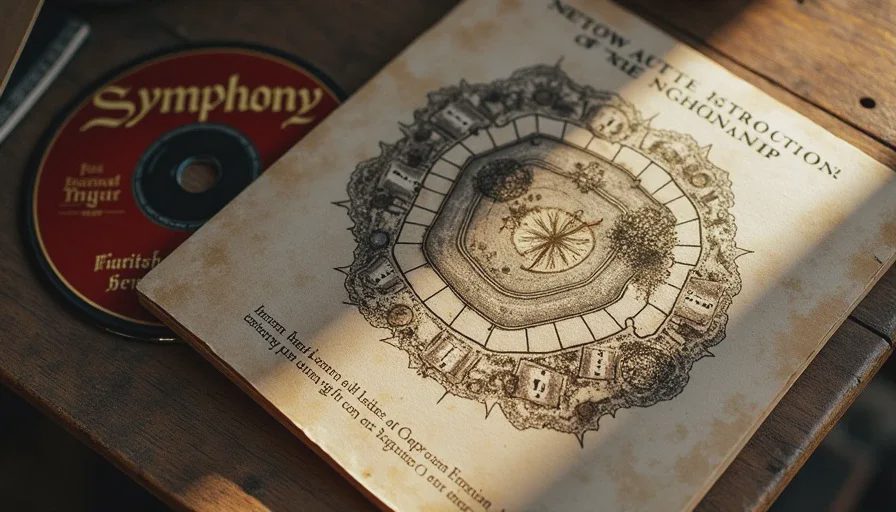
I replayed Symphony of the Night on a series of short evening sessions, using a disc that still had the original case and a manual that treated the castle map as something you earned rather than something you were given. The question was not whether the game was still influential. The question was whether the elegance people still cite—the backdash, the transformation, the verticality—still held when the surrounding conversation about “Metroidvania” and “genre-defining” had been set aside. It does. The reasons are more structural, and quieter, than the ones that usually get repeated.
Some games don’t age well. Some just wait for you to catch up. Symphony of the Night waited for a design culture that turned its best ideas into a checklist of expected features. What remains elegant is not the feature list. It is the way the castle still teaches you how to read it, and the way the systems still reward attention without demanding completionism.
What Still Feels Elegant on a Second Play
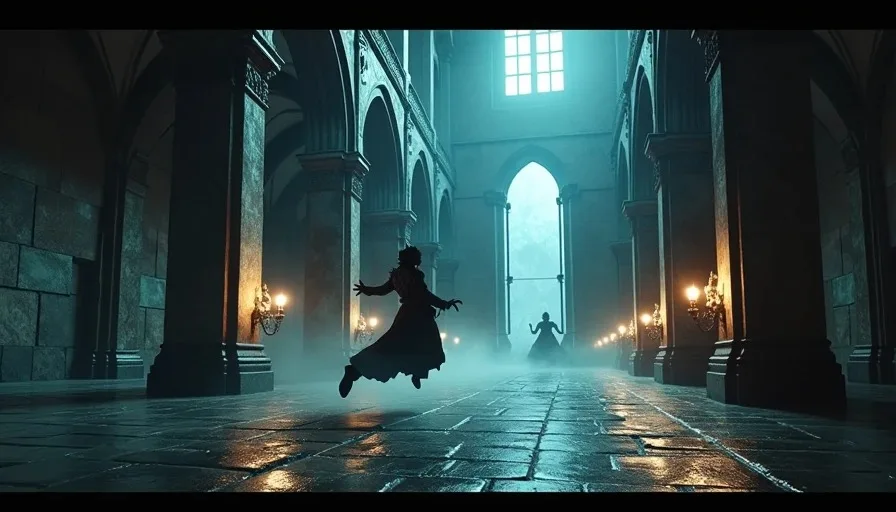
The backdash is still useful. The bat and wolf forms still change how you move through space. The inverted castle still recontextualizes the map you thought you knew. Those surfaces are the ones that get cited. Underneath them is a more durable decision: the game trusts the player to notice soft gates and to return later with better tools, without constant objective markers or a quest log that explains the next step.
A Working Distinction
Cited Feature | Surface Reading | Structural Reading That Still Holds |
|---|---|---|
Backdash | Cool movement tech | Momentum and risk in tight corridors |
Transformations | Variety of forms | Different readings of the same geometry |
Dual castle | Surprise second half | Recontextualization of knowledge already earned |
RPG elements | Stats and gear | Soft gating without hard walls |
Map | Exploration reward | Teaching tool that remains incomplete by design |
The table is a reminder that the elegance is not in the novelty of any single system. It is in the consistency with which the castle remains legible and still slightly opaque at the same time. That balance is harder to maintain than a list of influential features.
What the Repeated Praise Sometimes Misses
Much of the enduring conversation around Symphony of the Night treats it as a origin point for a genre. That frame is historically useful and critically limiting. It turns the game into a set of firsts rather than a finished object that still works. On a second play the firsts matter less than the feel of moving through a space that was designed to be re-read. The inverted castle is not only a twist. It is a test of whether you were paying attention the first time.
I drafted the notes after a session that ended in a familiar corridor that still required a different form to cross. The legal pad was in the bag from the weekend. The question at the top of the page was whether the elegance survived without the genre-history framing. The answer was the same soft gate, the same decision to leave an area and return, the same sense that the castle was still teaching rather than merely containing content.
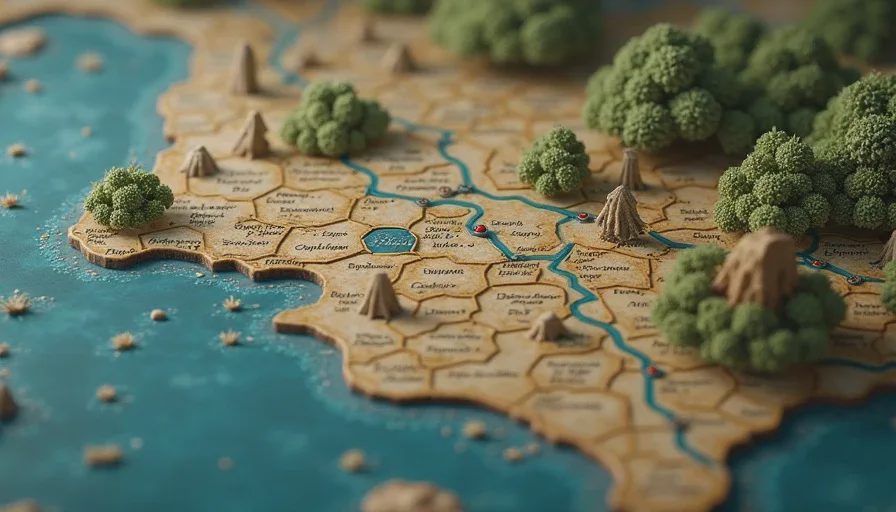
The second play also clarifies what the map is doing. It is not a completion checklist. It is a teaching tool that remains incomplete by design. Blank spaces matter. Soft gates matter. The decision to leave an area and return with a different form is the elegance that survives when the genre-history framing is set aside. Influence lists tend to flatten that decision into a set of features. The castle itself still requires you to make the decision in space.
I drafted the longer notes after a session that ended in a familiar corridor that still needed the bat form to cross. The familiarity did not remove the requirement. The requirement is the design. Some games don’t age well. Some just wait for you to catch up. Symphony of the Night waited for the conversation about firsts to quiet down enough that the teaching could be felt again. When it is felt, the elegance is structural, not nostalgic.
Who This Replay Is For
If you need the game to remain the definitive origin of a genre, the second play may feel like a museum visit. If you are willing to meet it as a finished design that still rewards careful movement and incomplete knowledge, it remains elegant for reasons that do not require the surrounding history. The castle still has soft walls. The map still has blank spaces that matter. The systems still assume you will notice.
Some games don’t age well. Some just wait for you to catch up. Symphony of the Night waited for the conversation about influence to quiet down enough that the structure could be felt again. When it does, the elegance is still there—not as a list of firsts, but as a castle that continues to teach you how to read it, one careful pass at a time.