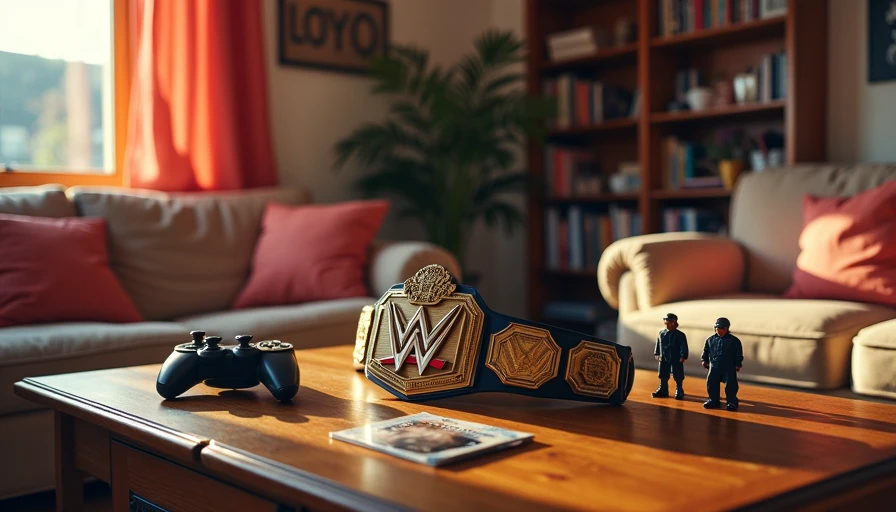
The first time I came back to wwf attitude playstation, I was sitting at a small kitchen table with a used copy, a gray DualShock, and a coffee mug that had gone cold. The disc had come from a thrift store shelf between a racing game and an old sports title. Its case was scratched, its manual was missing, and yet the sight of that familiar cover brought back the particular noise of late-1990s wrestling games: crowd roars, entrance music, and a television turned up too loud in a basement.
That memory is powerful, but memory is not a free pass. WWF Attitude was never the smoothest wrestling game on the original PlayStation. It was dense, sometimes clumsy, and full of systems that seemed determined to make a simple match feel like paperwork. Still, it has an odd personality that many cleaner games never managed to capture.
What WWF Attitude PlayStation Was Trying to Be
Released during the height of professional wrestling's late-1990s popularity, wwf attitude playstation wanted to be more than a quick exhibition fighter. It was a wrestling sandbox built around a large roster, customizable wrestlers, tag matches, title pursuits, and a thick layer of presentation. The game wanted you to feel like you were operating a small wrestling company, even when the PlayStation hardware made every entrance look slightly haunted.
That ambition explains both the appeal and the frustration. Menus are packed with options, but the game rarely explains them in a friendly way. You can spend time adjusting a wrestler's moves, taunts, clothing, and attributes before ever reaching the ring. For a teenager with an entire summer afternoon available, that density felt like value. For an adult replaying it after work, the same density can feel like opening a filing cabinet when all you wanted was one match.
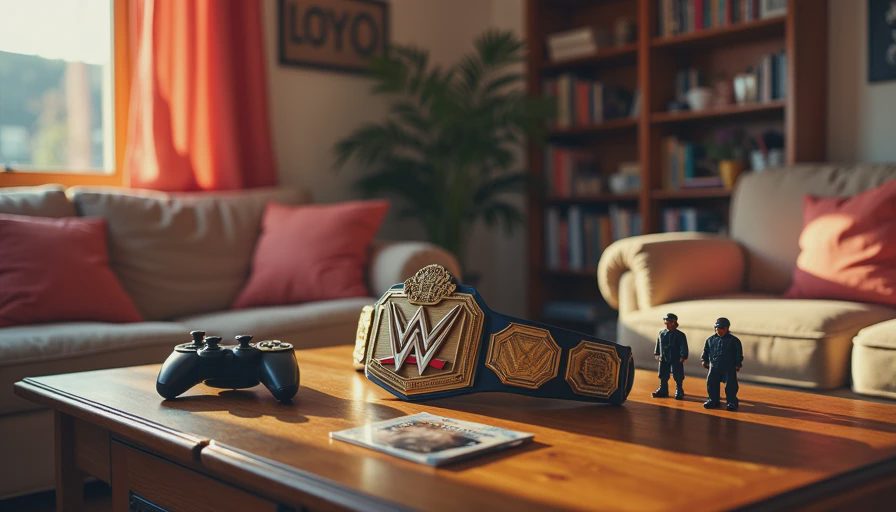
The presentation has aged in a revealing way. Wrestlers have recognizable names and silhouettes, but faces often sit somewhere between a police sketch and a wax figure. The crowd is a flat wall of movement. Entrances carry the energy of the television product, yet the technical limitations keep reminding you that this is a game built from polygons, texture seams, and practical compromises.
The Controls Take Patience
The hardest part of wwf attitude playstation is not learning the roster. It is learning what the game wants from your hands. Grappling depends on timing and directional inputs, and the move system can feel less immediate than the best wrestling games that followed. A button press does not always produce the action you expect, particularly when two wrestlers are standing at an awkward angle.
That sluggishness is not identical to bad design, though it can certainly feel bad at first. The game treats wrestling as a struggle for position rather than a rapid string of attacks. You circle, grab, counter, and wait for an opening. Once the timing starts to settle into muscle memory, a match can develop a crude but satisfying rhythm. The problem is getting over the hill between confusion and control.
A modern player should begin with short singles matches and keep the difficulty modest. Do not start with a crowded battle royal or a complicated tag bout. Spend ten minutes learning how to initiate a grapple, reverse a move, climb, and leave the ring. That small investment makes the rest of wwf attitude playstation easier to read.
A Roster That Feels Like a Time Capsule
The roster is one of the game's strongest historical pleasures. It preserves a particular moment in WWF history, when larger-than-life personalities, strange gimmicks, managers, and recognizable entrance themes filled television every week. Some wrestlers are remembered today as legends. Others feel like names pulled from an old magazine page found in a basement box.
That mixture gives the game its time-capsule quality. You are not simply choosing a high-rated competitor. You are choosing a character from a specific cultural weather system, complete with oversized attitudes and theatrical grudges. The roster may not have the modern breadth or detail of a current wrestling game, but it has a sharper sense of place. Every selection carries a little late-night television memory with it.
The audio helps enormously. Music and sound effects are compressed and thin, but they still create an immediate bridge to the era. A familiar entrance can make the room feel smaller. It is the same reason an old pay-per-view commercial or a worn wrestling magazine can suddenly return you to a particular couch, season, or school night.
Create a Wrestler Before the Weekend Gets Away
The create-a-wrestler tools are where wwf attitude playstation becomes unexpectedly absorbing. They are not elegant by current standards, and the interface can make basic decisions feel slow. Yet the limitations encourage imagination. With a restricted set of bodies, costumes, names, and moves, you start inventing a character instead of merely selecting one from a catalog.
My favorite kind of created wrestler in this game is not the perfect superstar. It is the odd local character with a bad haircut, a plain entrance, and one excellent finishing move. The character feels like someone who might appear on a regional wrestling card taped in a community center, surrounded by folding chairs and a concession stand selling warm soda.
That roughness is central to wwf attitude playstation. It asks you to fill in what the hardware cannot show. The game provides the frame, but your memory supplies the crowd, the arena, and the backstory. A modern editor offers more choices; this older one often gives you more room to project.
Modes, Matches, and the Slow Middle
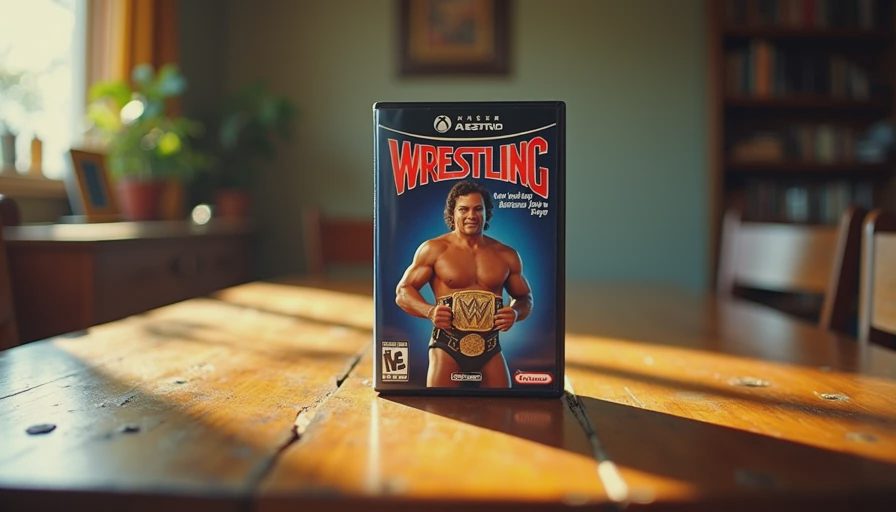
There is enough variety here to support a long replay, but not every mode has aged equally well. Exhibition matches are the easiest place to begin because they let you focus on the basic rhythm. Tag matches can produce memorable chaos, especially when partners wander into trouble or the ring becomes crowded with bodies. Title-focused play adds purpose, although the path between matches can feel less dramatic than the television presentation suggests.
The game is best when you create your own context. Pick two rivals and decide that every match has a story. Use a smaller roster. Give a wrestler a new entrance after a title win. These small rules turn mechanical repetition into a personal season. Without that self-made structure, wwf attitude playstation can become a slow march through menus and similar-looking bouts.
It also helps to accept that the game will not deliver modern wrestling's smooth camera work or expressive animations. Bodies can collide in funny ways. A move may look more like furniture being rearranged than a convincing slam. The charm arrives when you stop demanding realism and start appreciating the physical weirdness.
Does WWF Attitude Still Deserve a Replay?
Yes, with a specific kind of expectation. wwf attitude playstation is not the best starting point for someone who wants the most responsive wrestling game on the console. It is not the cleanest choice for a quick match after dinner, and its menus can test the patience of anyone accustomed to modern interfaces.
But it is worth revisiting for its atmosphere, roster, and sense of abundance. It captures an era when licensed games tried to recreate an entire television world inside a plastic disc. The result is awkward, busy, and occasionally brilliant in small ways. Playing it now feels less like uncovering a hidden masterpiece and more like opening a drawer filled with old ticket stubs.
Some games do not age well. Some just wait for you to catch up. wwf attitude playstation belongs somewhere between those ideas. It is rough around the edges, but the roughness is part of the record. Find a clean disc, give the controls an evening, and let the game be what it was: an overstuffed snapshot of wrestling, video games, and a moment when every weekend seemed to last a little longer.