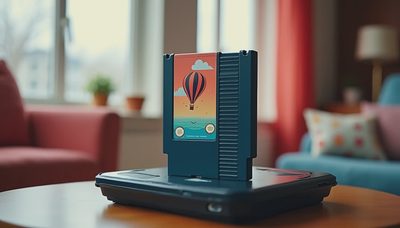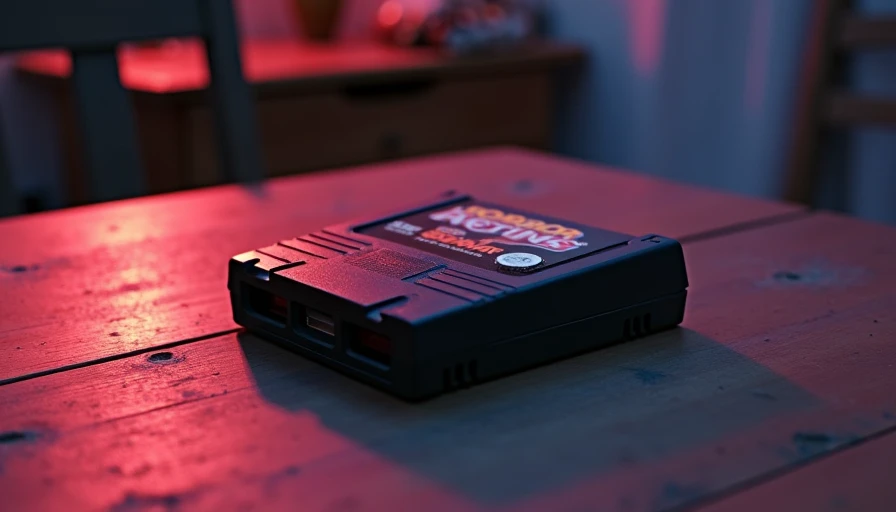
The first time I played splatterhouse 2 mega drive, I was less interested in design than in atmosphere. The box art looked like something found behind a video store counter, and the game itself seemed built from the same rough materials: wet pavement, brick walls, flickering lights, and a hero who looked as though he had walked out of a heavy metal album cover. Replaying it now, with fewer free evenings and a longer memory, reveals a game that is both more disciplined and more limited than nostalgia usually admits.
Released for Sega's Mega Drive in Japan and the Genesis in North America, the sequel follows Rick as he searches for Jennifer through another procession of supernatural threats. It is a side-scrolling beat-em-up, but not a relaxed one. Every jump, punch, and approach has a cost. The game wants attention in the old cartridge-era way, when losing meant restarting and learning a little more before the coffee went cold.
What makes splatterhouse 2 mega drive feel different
The most immediate strength is its sense of place. Splatterhouse 2 does not create a large world, but it gives each short stage a memorable surface. A ruined street, a cemetery, a dark interior, and a grotesque industrial space all carry their own visual mood. The colors are muddy without being dull, and the enemies look like they came from a stack of worn horror paperbacks left in a thrift-store basement.
Rick's movement is simple: walk, jump, attack, and use a few contextual weapons when they appear. That simplicity creates a clear rhythm. You watch an enemy enter, judge the distance, and commit. The best moments come when a heavy swing catches two creatures at once or a found weapon gives you enough breathing room to survive a crowded screen.
The tradeoff is stiffness. Rick does not turn instantly, and some attacks leave him exposed. That can feel unfair until the patterns become familiar. In a modern action game, you might expect a quick dodge or forgiving recovery animation. Here, the game expects positioning to do that work. Splatterhouse 2 mega drive is less about improvising than remembering where danger arrives.
Difficulty that asks for memory
The difficulty is not merely a wall placed at the end of the game. It is present from the opening stages, especially when enemies attack from both sides or emerge while Rick is already dealing with another threat. Health items help, but they do not erase careless movement. A player who rushes forward will often spend the next screen recovering from a mistake that began several seconds earlier.
That structure can be satisfying for an older player. I no longer have the patience to mistake repetition for depth, but I can appreciate a short game that makes each retry useful. The stages are compact enough that a failed run does not consume an entire evening. You remember the first ambush, adjust your approach, and try again. A quiet Saturday afternoon can turn into a small private contest with the cartridge.
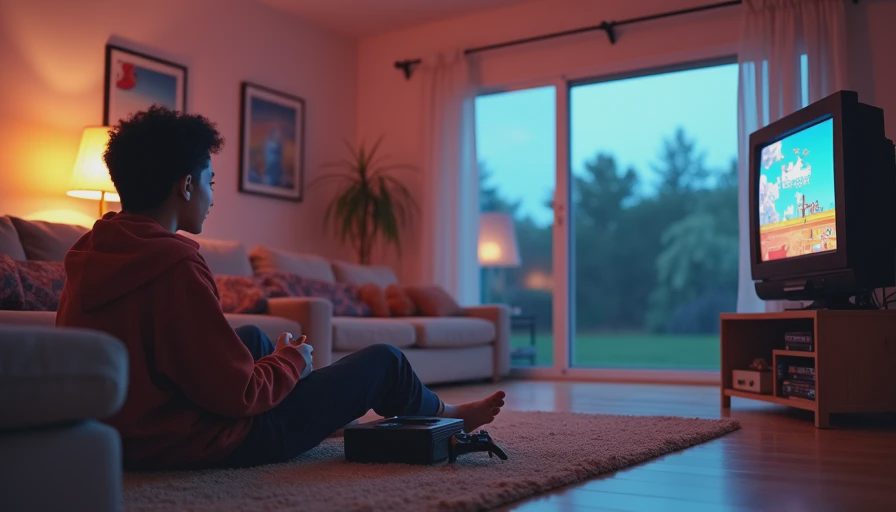
It also helps to play with a modern setup that allows quick saves, provided that approach suits your own rules. Original hardware gives the game its proper texture, especially through a CRT television or a good upscaler, but convenience changes the emotional shape of the experience. Instead of grinding through the entire opening every time, you can concentrate on the sections that still need to be learned.
Combat, weapons, and the weight of each hit
Combat in splatterhouse 2 mega drive has a satisfying bluntness. Rick's attacks do not look elegant, and they are not supposed to. He swings with the force of a person trying to clear a room rather than win a duel. The sound effects reinforce that impression, giving every successful strike a thick, almost physical quality.
Weapons provide brief changes in tempo. A pipe or blade can turn a difficult group of enemies into a manageable encounter, but the advantage never feels permanent. You still need to consider spacing, because an aggressive enemy can walk into your range while you are committed to an attack. That tension is the game's central lesson: power is useful, but control matters more.
The boss encounters follow the same philosophy. They are memorable because their appearances are strange and their attacks demand observation, not because they offer elaborate move lists. Some fights can feel repetitive after several attempts, yet they become readable with patience. When a boss finally falls, the satisfaction comes from having understood the rhythm rather than from discovering a hidden shortcut.
The sound of an aging horror cartridge
The music deserves more credit than it usually receives. It does not sound like a polished film score, and its melodies can be repetitive, but the electronic textures establish a grim arcade mood. The tracks sit somewhere between horror soundtrack imitation and late-night convenience-store radio, which is part of their charm. They make the game feel like a product of its hardware instead of a modern simulation of old hardware.
That distinction matters when returning to splatterhouse 2 mega drive. Its rough edges are not all virtues, but they form a coherent object. The limited animation, compressed sound, and narrow color range work together. A remake with smoother controls and brighter effects could be more comfortable, yet it might lose the unpleasant little atmosphere that makes the original worth revisiting.
How it compares with the first game
The original Splatterhouse remains the more iconic title because its premise is so direct and its imagery so tightly associated with the early series. The sequel is more confident as a game. It gives Rick more room to move, expands the visual variety, and presents a longer sequence of challenges. At the same time, it does not completely solve the problems of the first game. Attacks can still feel rigid, enemy placement can still seem punitive, and the overall structure remains a march from one encounter to the next.
For me, the sequel is easier to return to in short sessions. That is an important quality now. A game does not need to become a lifelong favorite to earn a place beside the television. Sometimes it only needs to offer twenty focused minutes and a reason to try one more time. Splatterhouse 2 mega drive does that better than many larger games from the same period.
Collectors should also remember that regional packaging, manuals, and cartridge condition affect the experience of owning it. A complete copy can be considerably more expensive than a loose cartridge, while legal digital or emulated options are often more practical for simply playing. The old habit of checking labels, cleaning contacts, and wondering who wrote a phone number inside the manual is still part of the pleasure, but it should not be confused with the only legitimate way to visit the game.
Does it still hold up?
Splatterhouse 2 mega drive still works when approached as a compact, demanding horror beat-em-up rather than a lost masterpiece. It has personality, strong visual direction, memorable sound, and enough mechanical clarity to reward practice. It also has awkward collisions, limited mobility, and difficulty that can feel less like challenge than punishment when your attention is divided.
The right way to play is slowly. Give it a few attempts without expecting a flawless run. Notice how enemies enter the screen, which attacks leave Rick vulnerable, and where the level designers place relief. Play on a rainy evening, or after a thrift-store run when the old cartridge has acquired a little dust from somebody else's shelf. The setting helps, even if that sounds sentimental.
Some games don't age well. Some just wait for you to catch up. Splatterhouse 2 mega drive is somewhere between those two ideas: rough, stubborn, and still capable of making a quiet room feel briefly unsafe. It is worth revisiting for players who can accept its old rules, its short temper, and its strange ability to turn a simple punch into a small piece of remembered time.