There is a particular kind of memory attached to pokemon monopoly 1999. It is not just the memory of rolling dice across a living room table. It is the memory of seeing Pikachu, Charizard, and the familiar red-and-white Pokeball printed on a box during the long middle stretch of Pokemon mania. In 1999, Pokemon was everywhere: on Game Boy cartridges, lunch boxes, Saturday morning television, and the shelves of stores that had never carried much for children before. This Monopoly edition was part of that weather.
I still think of games like this in physical terms. The box has softened corners. The board has that faint cardboard smell. The money has probably been folded once by a child who was more interested in collecting the little Pokemon tokens than in following the rules. pokemon monopoly 1999 is interesting today because it sits between a serious family board game and a piece of licensed merchandise that happened to get played.
What came in the box
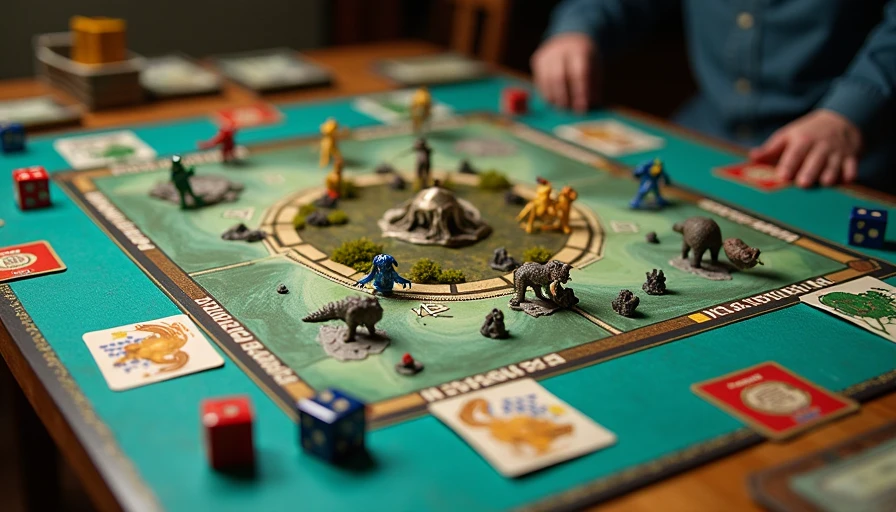
A complete pokemon monopoly 1999 set generally includes the game board, title deed cards, Chance and Community Chest cards with Pokemon-themed names, play money, houses, hotels, dice, tokens, and instructions. The exact contents depend on the edition and condition, so a loose copy found at a thrift store deserves a careful inventory before anyone calls it complete.
The tokens are usually the first thing collectors look for. Small pieces disappear easily when a game spends twenty years moving between closets, basements, and garage-sale boxes. Missing tokens are not always fatal to a casual game night, but they matter to a collector. The same is true of the plastic houses and hotels, which can be mixed with parts from another Monopoly set.
The board changes the ordinary Monopoly geography into a Pokemon map. Instead of buying Atlantic Avenue or Marvin Gardens, players move through locations tied to the animated series and the wider Pokemon world. That shift is simple, but it does most of the nostalgic work. A familiar game becomes a time capsule through names, colors, and illustrations.
How pokemon monopoly 1999 actually plays
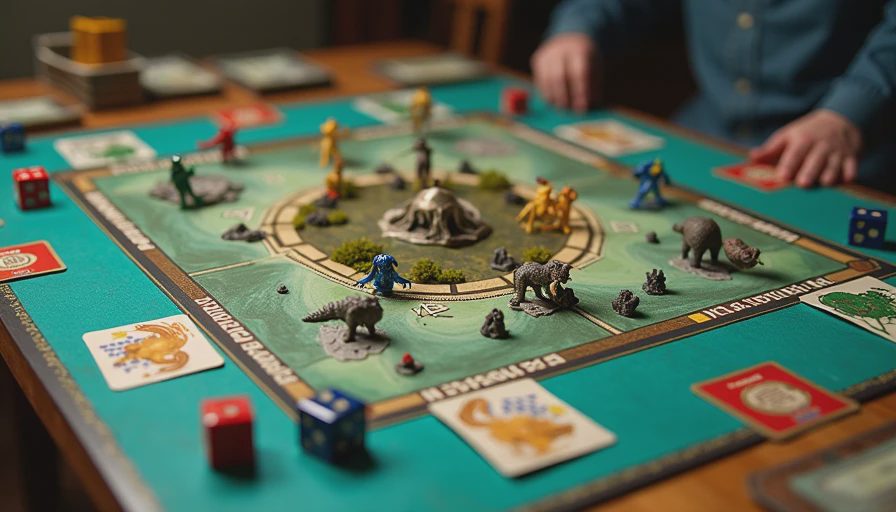
Under the artwork, this is still Monopoly. Players roll, purchase properties, collect rent, draw cards, and build toward a financial advantage. The Pokemon theme does not turn it into a strategy game with battles, type matchups, or a campaign. It gives the old structure a new coat of paint and a reason for a young fan to care about the next square.
That distinction matters when approaching pokemon monopoly 1999 as an adult. If you expect a board game designed around the deeper mechanics of Pokemon Red, Blue, or Yellow, the experience will feel thin. If you understand it as a family Monopoly set from the height of the franchise, its appeal becomes clearer. The rules are easy to teach, and the theme does more emotional work than the gameplay does.
A typical session can still run long, especially when players refuse to trade or when one person becomes determined to stay in the game after the table has clearly turned against them. That was true of standard Monopoly, too. The Pokemon branding changes the conversation, not the underlying pace. For a short evening, house rules that limit trading rounds or set a time limit can make the game more manageable.
Why the 1999 date matters
The year is not a minor detail. pokemon monopoly 1999 belongs to the first great American wave of Pokemon merchandise, before the franchise had settled into the comfortable permanence it has now. The design reflects a moment when every product seemed to be carrying the same urgent question: would this be the next thing children wanted?
That urgency gives the set a different feeling from later Pokemon board games. The artwork is rooted in the original television era, when Ash, Pikachu, and the first generation of creatures defined the public image. Older players who grew up with a Game Boy under a blanket often recognize that visual language immediately. It recalls school cafeterias, rental stores, and the plastic display racks near the checkout line.
There is also a useful contrast between memory and reality. As a child, the box may have looked like an adventure game in board-game form. As an adult, you can see the commercial machinery more plainly. Both impressions can be true. It was merchandise, but it was also something families opened, argued over, and stored for years.
What collectors should inspect
When examining pokemon monopoly 1999, start with the box. Crushing, water marks, heavy fading, and split corners are common because large board-game boxes are difficult to store. A clean box with bright printing helps, but condition should be described honestly. A worn complete set can be more satisfying than a sealed copy that never made it to a table.
Next, count the components against the instructions. Look for all six tokens, the full set of property cards, enough money, the dice, and the building pieces. Check whether cards are bent, written on, or replaced with generic Monopoly cards. A handwritten name on a card does not destroy the history of the object, but it changes its value to a collector seeking a pristine example.
Prices are shaped by completeness, condition, local demand, and whether a buyer wants to play or display the set. A rough incomplete copy might sell for a modest amount at a thrift store, while a clean complete example can attract more attention from Pokemon and vintage board-game collectors. Sealed packaging can command a premium, though asking prices online are not the same as completed sales.
Is it worth playing now?
pokemon monopoly 1999 is worth playing if the people around the table enjoy the object as much as the rules. It works best with two or three players who remember the original era, or with a younger player who wants to see what Pokemon looked like before every creature had several generations of history behind it.
It is less successful as a substitute for a modern strategy game. There is no need to pretend otherwise. The experience remains dependent on luck, property management, and the patience to sit through a long contest. The Pokemon theme adds warmth, but it cannot remove Monopoly's slow stretches.
Still, there is something pleasant about opening the box on a rainy afternoon and finding a small world preserved inside. The cards, board, and tokens carry the blunt optimism of 1999. They do not ask to be admired as high art. They simply survived long enough to be opened again.
A quiet verdict from the thrift aisle
pokemon monopoly 1999 is neither a hidden masterpiece nor a disposable curiosity. It is a competent Monopoly edition with unusually strong cultural residue. The game itself has not changed much, but the player has. That is where the real interest lives: in noticing how a product once aimed at children now feels like a document of a particular American season.
If you find a copy, look past the box wear and check what remains inside. Count the pieces. Read the cards. Notice which names still come back instantly and which have faded. Then decide whether you want to preserve it on a shelf or put it on a kitchen table.
Some games don’t age well. Some just wait for you to catch up. pokemon monopoly 1999 belongs to the second group, not because it has become more sophisticated, but because time has given its simple board a little more to say.