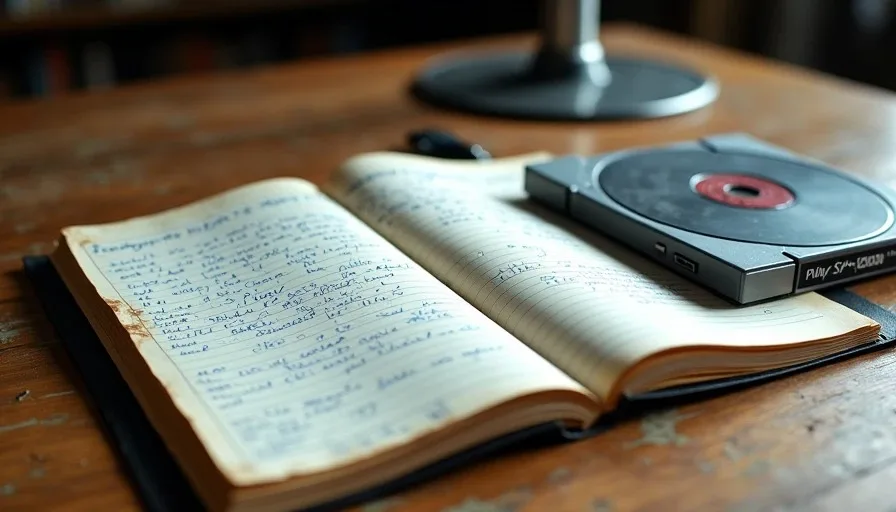
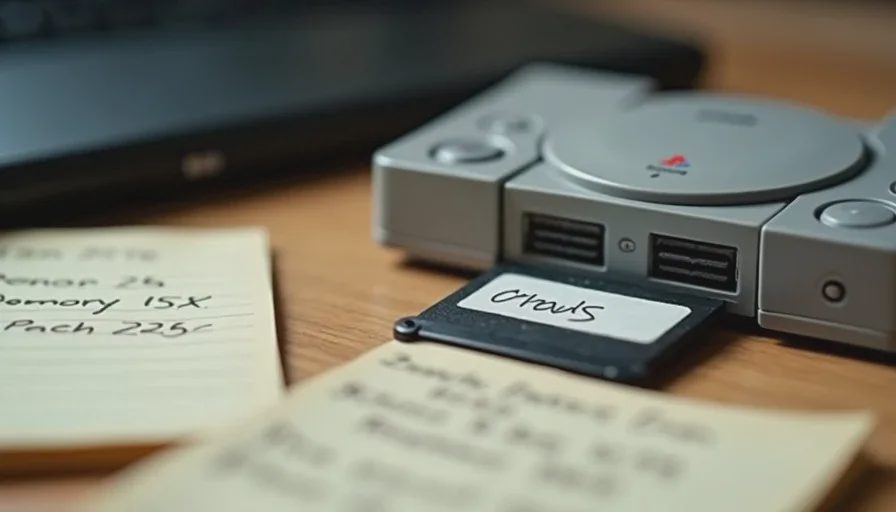
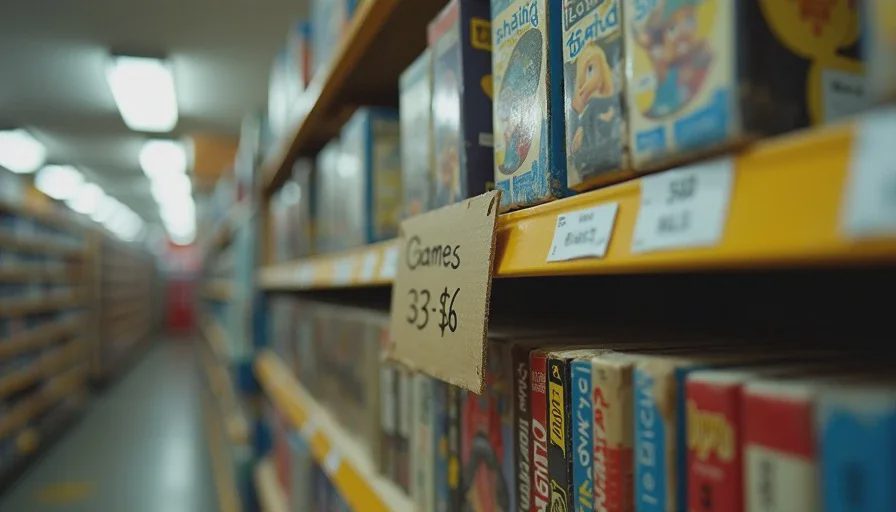
I bought a used copy of Parasite Eve at a thrift store two towns east of Dubuque. The disc was clean enough. The case was cracked at the hinge. Inside the manual, folded into a narrow strip, was a sheet of notebook paper with boss notes written in blue ballpoint: attack patterns, item locations, a reminder about the final form. The previous owner had left a save file on the memory card that came with it. I loaded it out of curiosity. The game was already deep into the second disc. That is when the strange intimacy started.
Buying a used game is never only about the software. It is about the physical residue of someone else’s time. A save file is more intimate than a price tag. It is a record of evenings spent, decisions made, and progress that was important enough to keep. When you inherit that progress, you inherit a small piece of another person’s attention.
What a Used Save File Actually Carries
A save file is not neutral data. It is a timeline. The date stamps, the inventory, the story flags, the incomplete side paths—all of it describes a specific relationship between a player and a game. Loading someone else’s file is like opening a book with another reader’s underlining still visible. You can choose to ignore it, or you can sit with the evidence of their choices.
The Physical Layer
The objects that surround the disc matter as much as the file itself. In this case the boss notes were more revealing than the save. They were written in the same careful hand I see on library reserve lists—people who want to remember something precisely. The notes did not try to be clever. They simply recorded what worked. That practicality is part of the secondhand culture this site pays attention to.
I keep a small index-card box of similar finds: cheat sheets, maps drawn on the backs of receipts, inventory lists. Each one is a small archive of how someone else solved a problem. The intimacy is not sentimental. It is documentary.
Practical Habits for Handling Used Saves
If you buy older physical games regularly, a few working habits keep the experience useful rather than merely curious:
Habit | Why It Helps | What to Watch For |
|---|---|---|
Check the memory card before formatting | Preserves the previous player’s timeline | Date stamps, completion percentage |
Photograph or transcribe any handwritten notes | Creates a personal archive | Boss patterns, item locations, warnings |
Note the thrift location and date | Ties the object to place | County, store name, condition of shelf |
Decide whether to continue or restart | Respects both histories | Incomplete side content, low resources |
Keep the physical paper with the case | Maintains the full object | Manuals, inserts, receipts |
These habits are not rules. They are ways of treating the secondhand object as something that already has a history, rather than a blank cartridge waiting for your first run.
Why the Intimacy Matters for Criticism
Modern digital storefronts erase this layer. A download arrives clean. There is no previous inventory, no handwritten warning about a boss, no cracked case that tells you the game was carried around. The cleanliness is convenient. It is also thinner. When I write about older games, the physical residue is part of the evidence. A save file left behind is a form of testimony. It says the game was important enough to keep progress. That fact belongs in the record.
I wrote the first notes for this piece in a diner booth the same afternoon I found the disc. The coffee was the usual thin diner coffee. The legal pad already had the thrift location written at the top. The question was not whether Parasite Eve still holds up—that is a separate replay. The question was what it means to inherit someone else’s halfway point and decide whether to continue or start clean.
An Ordinary Kind of Archive
Most of these finds are ordinary. A $4 sports game no one wants. A strategy guide with the spine broken at the exact chapter that always gave people trouble. A memory card with three incomplete saves and one finished one. The ordinariness is the point. These objects do not arrive with cultural prestige. They arrive with evidence of use.
Some games don’t age well. Some just wait for you to catch up. A used save file is one of the ways you can see which category a title belonged to for at least one other person. The notes they left, the progress they kept, the case they cracked—all of it is part of the second play. I do not format the card immediately. I look at what was left behind first. That small delay is the beginning of the intimacy, and it is why the thrift receipt remains one of the most useful documents this site produces.