I keep coming back to the same observation after weeks of second plays and thrift loops: older games ended more often. Not always well, not always cleanly, but they reached a final screen, a credits roll, a clear stop. That stop is rarer now. I miss it—not as nostalgia for its own sake, but as a structural permission that made residual meaning easier to hold.
When a game ends, the memory of it can settle. The systems stop asking for input. The second play becomes a choice to begin again rather than a resumption of something that never closed. That distinction still shapes how this site approaches older titles.
What an Ending Actually Did
An ending was a design fact. It told the player the encounter was complete. It allowed the object to become something that could be put back on the shelf without the sense of unfinished business. Live-service models, seasonal resets, and soft endings have made that fact optional. The optionality has costs.
A Working Contrast
Feature | Older Finite Pattern | Common Current Pattern |
|---|---|---|
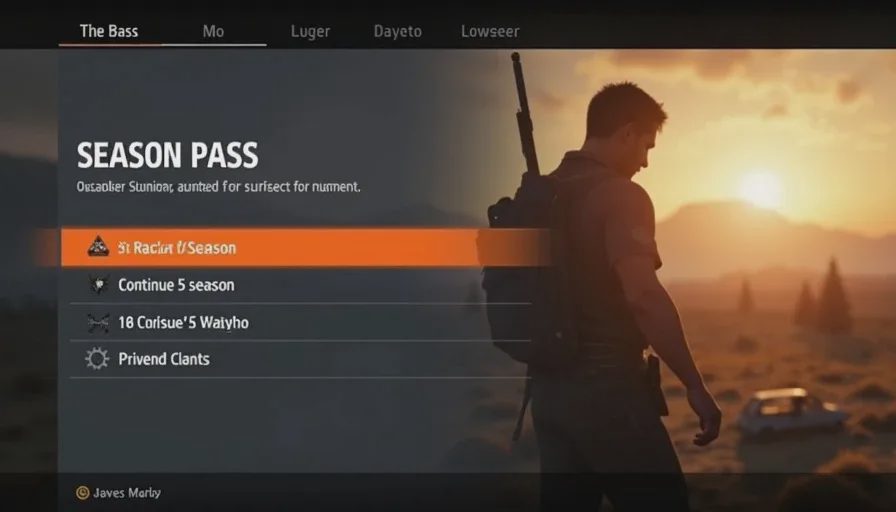
Final state | Credits, last boss, clear stop | Soft ending, New Game Plus, season pass |
Completion | Achievable and closed | Deferred or redefined as ongoing |
Second play | Restart by choice | Continue a living system |
Residual memory | Settles after the stop | Competes with ongoing claims |
Permission to leave | Structural | Often moralized as quitting |
The table is not a claim that every older ending was satisfying. Many were abrupt or incomplete. What they shared was the willingness to declare the encounter finished. That willingness is one of the conditions that make a second play feel like a real re-encounter rather than a login.
Why the Stop Matters for Adult Players
Adult players have limited free time and a growing sense of which claims on attention are worth accepting. A game that never fully ends keeps a quiet claim on the future. A game that ends releases the claim. The release is part of what makes the residual feeling usable. You can remember a finished game without the background sense that you are behind on a pass or a season.
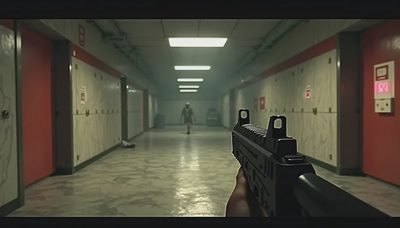
I notice the difference most clearly when I return to PS1 and PS2 titles that still have a final corridor and a credits sequence. The game is over. My return is optional. The optionality is the point. Some games don’t age well. Some just wait for you to catch up. The ones that waited usually knew how to stop.
The Diner Version of the Argument
I wrote the first version of this column in the usual booth, with the legal pad and the thin coffee, after a week of short sessions that all ended with clear final screens. The thrift locations from the weekend were already listed. The question at the top of the page was why those finished games felt lighter in memory than many newer titles I had not “finished” because they were not designed to be finished. The answer was the stop itself.
The practical difference shows up in how residual memory forms. A finished game can be remembered as a complete arc. A game that never fully ends is remembered as a system still running somewhere in the background. Both can be valuable. Only one of them releases the player cleanly enough for the second play to feel like a free return rather than a resumption of unfinished business.
I notice this most clearly after a week of short PS1 and PS2 sessions that all reached a credits sequence. The titles sit on the shelf without claiming next week’s evenings. That absence of claim is the design value I miss. Endings are not a failure of engagement. They are one of the ways a game can respect finite attention—and one of the conditions that make a second encounter feel like a real choice.
Keeping the Ending as a Design Value
I am not arguing that every game should have a hard credits roll and no further content. I am arguing that the ability to end is a design value that has been under-weighted. When every title is optimized for retention, the second play becomes harder to separate from the first ongoing relationship. Older games, for all their roughness, often made that separation easy. The separation is what I miss—and what this site tries to preserve by focusing on titles that still know how to stop.
If you are the kind of player who still finishes older discs and puts them back on the shelf, the modern reluctance to end may already feel like a mismatch. That mismatch is worth naming. Endings are not a failure of engagement. They are one of the ways a game can respect the finite attention of the people who play it—and one of the conditions that make a second encounter feel like a real return rather than a continuation of unfinished business.