There is a particular kind of quiet that follows you home from a thrift store. You set a scratched case on the table, brush a little dust from the cover, and remember the person you were when the game first arrived. gamecube resident evil 4 carries that feeling better than most old discs. It is not simply a famous survival horror game preserved in plastic. It is a snapshot of 2005, when Capcom took a series built around locked doors and fixed camera angles and pushed it onto a rougher, more physical road.
I first returned to it after finding a loose disc in a cardboard box of old console games. The label had the usual ring of small scratches, the kind that makes you wonder whether the previous owner played carefully or just kept trying. Twenty years later, the opening village still has the power to make an ordinary evening feel narrower. The television glows, the room gets dark, and the old machinery starts working again.
What made the GameCube version different
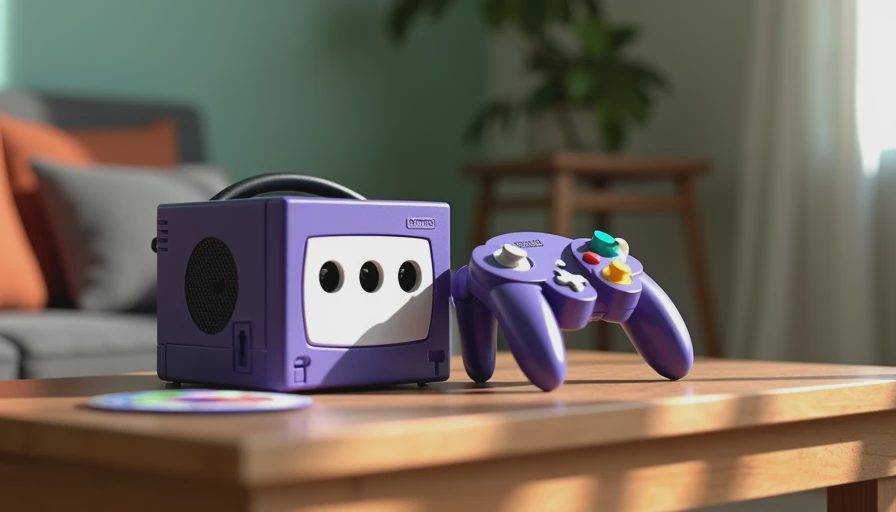
The gamecube resident evil 4 release was the original version of the fourth numbered game, arriving first on Nintendo's small purple console in North America in 2005. That timing matters. It was made for a system often associated with colorful adventures, yet the game filled it with muddy paths, rotting barns, ringing church bells, and enemies who moved toward you with alarming purpose.
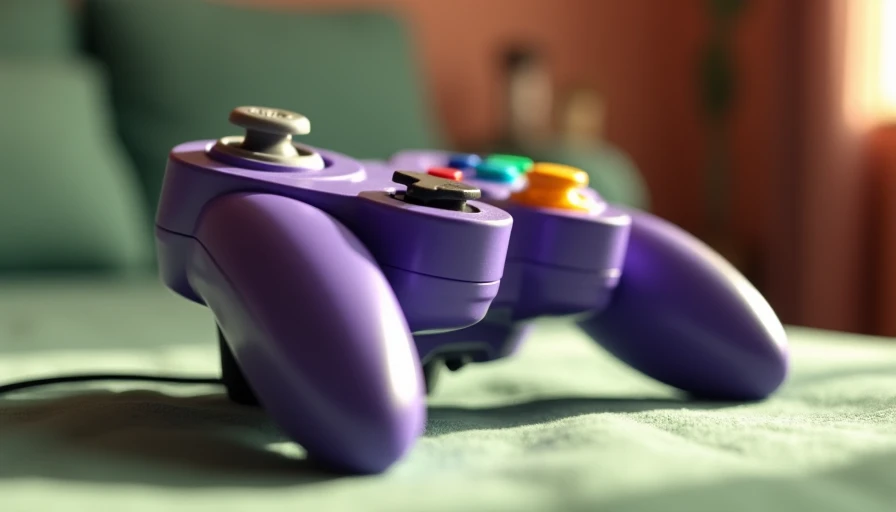
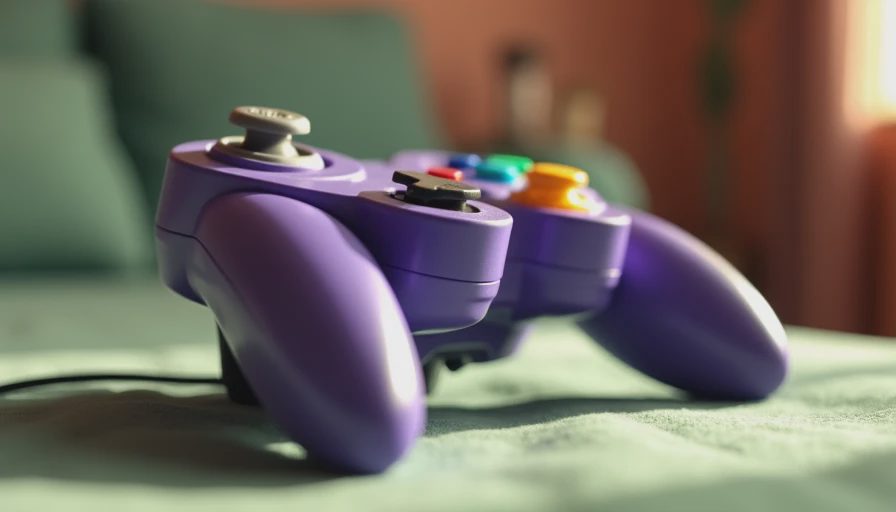
The GameCube controller also gives the game a distinct physical character. Its large A button makes interaction feel immediate, while the smaller face buttons require a little memory when the screen starts filling with villagers. The C-stick is not elegant for camera work, but the whole arrangement encourages a deliberate rhythm: aim, fire, reload, step back, and decide whether the next target is worth the ammunition.
This is not traditional survival horror. The camera sits behind Leon Kennedy, enemies arrive in groups, and the game gives you a satisfying amount of firepower. Still, it creates pressure through space and timing. A narrow hallway can be more frightening than a dark room because you understand exactly how quickly a hostile crowd can close the distance.
The opening village still understands pressure
The first village sequence is famous for a reason, but familiarity does not drain it completely. Leon arrives looking for Ashley Graham, and within minutes the search becomes a problem of survival. The villagers are not elegant monsters. They shout, stumble, climb, throw tools, and crowd doorways. Their plainness makes them unsettling. They look like people who have stopped being reachable.
The gamecube resident evil 4 opening teaches its rules without stopping for a lecture. You learn to conserve bullets, use windows, kick enemies away, and treat the environment as part of your weapon. A shotgun blast can buy time, but a stairwell or rooftop can buy something more important: a few seconds to think.
That design still feels generous to an older player with less free time. The game does not ask you to spend an hour adjusting menus before the adventure becomes interesting. A short session can include a village fight, a merchant visit, and a tense walk through a new area. The structure has momentum without becoming frantic.
Why the combat remains satisfying
The gamecube resident evil 4 combat works because every action has a little weight. Leon does not spin instantly in place, and aiming leaves you exposed. That limitation can feel dated, especially after modern action games made movement and shooting nearly seamless. Yet the awkwardness is part of the tension. You are never entirely comfortable.
The famous weak-point system gives each enemy a small tactical puzzle. Shoot a leg and create an opening. Hit a head and risk triggering a more dangerous mutation. Use a knife when the distance is safe, but do not get sentimental about saving ammunition if three enemies are already inside arm's reach. The game asks for judgment more often than reflex.
The inventory case is just as important. Expanding it through the merchant feels like buying another inch of breathing room. You arrange herbs, ammunition, grenades, and weapons like a traveler packing a trunk before a long drive. There is pleasure in fitting one more item into the grid, but also a constant reminder that every choice has a cost.
I still prefer the first playthrough's uncertainty. Later runs become cleaner and more efficient, especially once you know which weapons suit your habits. The original gamecube resident evil 4 experience is at its best when the map is unfamiliar and the merchant's next appearance feels like a small roadside service station in dangerous country.
What has aged, and what has not
Some edges are plainly old. The quick-time events can interrupt the flow, and the story's action-movie tone sometimes leans too hard into one-liners. Ashley's escort sections can test patience, particularly when a bad position turns into a restart. The limited movement while aiming also takes adjustment for anyone raised on modern twin-stick shooters.
The visual presentation remains effective because it understands shape and color. The village is brown, gray, and crowded with rough timber. The castle changes the mood with stone corridors and theatrical lighting. The island becomes more industrial and less mysterious, but the shift gives the final act a different kind of unease. These locations are not just backdrops; they mark the gradual loss of safety.
The gamecube resident evil 4 version also has a feeling of concentration that later editions can soften. It was designed around one campaign, one controller, and one particular television in the living room. Later ports add content or convenience, and some players will prefer those improvements. For a first return, though, the original has the charm of a well-used paperback: fewer extras, more evidence of the journey.
Is it worth playing now?
Yes, especially if you approach it as a historical action game rather than demanding that it behave like a 2020s shooter. The gamecube resident evil 4 campaign can still occupy a weekend without swallowing your entire schedule. A chapter or two after dinner is enough to recover the mood, and the save system makes stopping relatively painless.
A clean original disc and working memory card are the ideal setup. Used copies often cost more than they did years ago, particularly when the case and manual are present, but the search can be part of the pleasure. Check local game stores, thrift shelves, and community listings rather than assuming the first online price is reasonable. A console with a reliable disc drive matters more than chasing a perfect collector's copy.
If you only want the smoothest controls and every later addition, another version could be more practical. If you want to understand why this game became a turning point, the GameCube release is still the clearest place to begin. It shows the design before the years of ports and revisions polished its edges.
A quiet recommendation for the second play
The gamecube resident evil 4 replay is different from the first encounter. You notice how carefully the game places a barrel, how a locked door changes your route, and how the merchant's harmless sales pitch gives the campaign room to breathe. You also notice the years: the stiff turns, the old jokes, the places where the game expects patience from you.
That patience is not a burden. It is the reason the game remains worth revisiting. Some games don't age well. Some just wait for you to catch up. Pull the disc from the shelf on a rainy night, let the opening village gather outside the windows, and see whether the old fear has become something calmer and more interesting. The answer is not nostalgia alone. It is craft, still standing there in the dark.