Most game writing still orbits the new. Launch week is treated as the natural moment of judgment, as if a title’s meaning is fully available the moment the embargo lifts. This blog does not work that way. Second Playfield is built for older players who return to past games slowly, and the first rule is simple: I do not review games on release day. The reasons are practical, personal, and tied to how memory actually works.
I live in Dubuque, Iowa, and spend my days as a circulation supervisor at the public library. That job has taught me something useful about timing. People borrow stories at their own pace. They return them late, sometimes with notes still tucked inside. The same logic applies to games. A title that arrives with a full marketing wave is rarely ready to be understood. The first wave of coverage is often about competence, novelty, and whether the thing functions. The questions that matter later—whether it still holds tension, whether the systems still feel honest, whether the mood survives outside the launch conversation—require distance.
The Problem with Day-One Certainty
Release-day reviews are written under pressure that does not serve the player who has limited free time and a longer memory. Editors need copy. Platforms need traffic. The result is a style of judgment that favors surface clarity over residual feeling. A game can look complete in the first seventy-two hours and still collapse once the novelty window closes. Conversely, a title that feels uneven at launch can reveal a steadier design once the noise has faded.
What Gets Lost in the First Week
The first week tends to flatten three things that older players actually care about:
How the game feels after the systems stop being new
Whether the design still respects the player’s attention once the checklist is complete
What remains when the cultural conversation has moved on
These are not abstract concerns. They are the difference between a game that occupies a weekend and a game that still occupies mental space years later. Some games don’t age well. Some just wait for you to catch up. That distinction is almost impossible to make while the press cycle is still running.
Why Place and Pace Matter Here
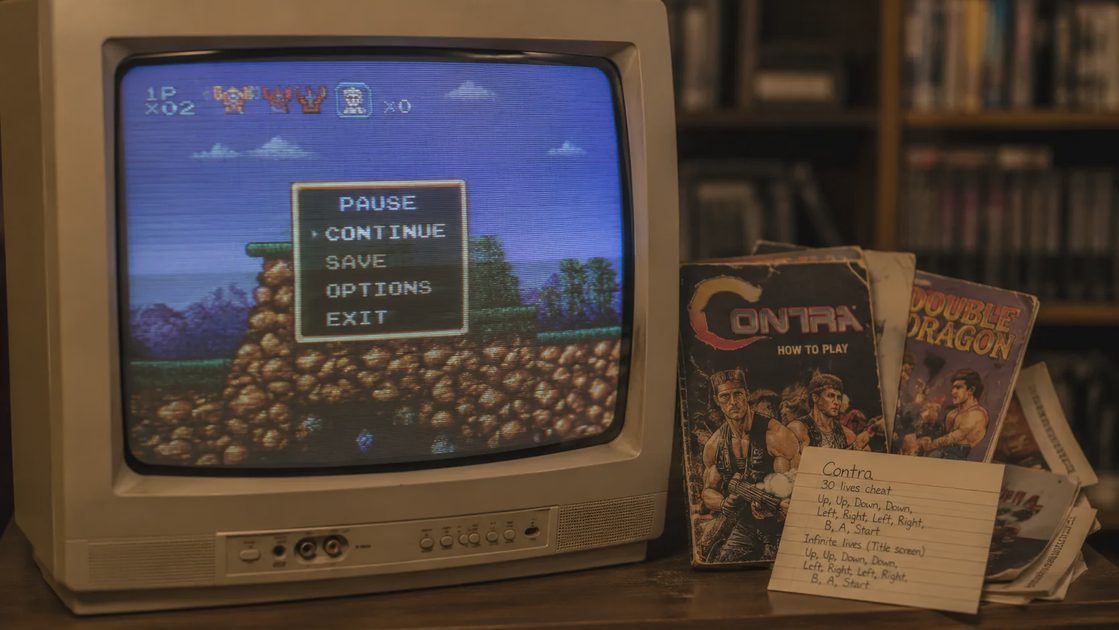
This site is deliberately tied to a slower geography. Eastern Iowa thrift stores, aging diners, county roads, and the quiet habits of a public library all shape the writing. Those places do not run on launch calendars. A used copy of a PS2 game found on a Saturday shelf arrives without a marketing department. The only question left is whether it still works when you sit with it now.
I write most of these pieces in diner booths with a legal pad, or at the apartment after the library closes. The process is not romantic. It is simply the available time. That constraint forces a different editorial filter. If a game cannot survive a second encounter after twenty years, or a first careful playthrough without the surrounding hype, it does not belong in the recommendation.
The Practical Filter
Here is the working set of checks I use instead of day-one scores:
Question | What It Tests | Why It Matters for Adult Players |
|---|---|---|
Does the first session still feel purposeful after the novelty fades? | Immediate design honesty | Limited free evenings |
Does the game leave specific images or decisions in memory? | Residual meaning | Long-term value of attention |
Does it respect pause points and energy levels? | Session fit | Tired weeknights |
Would I still open it without the cultural conversation? | Independence from hype | Avoiding marketing tax |
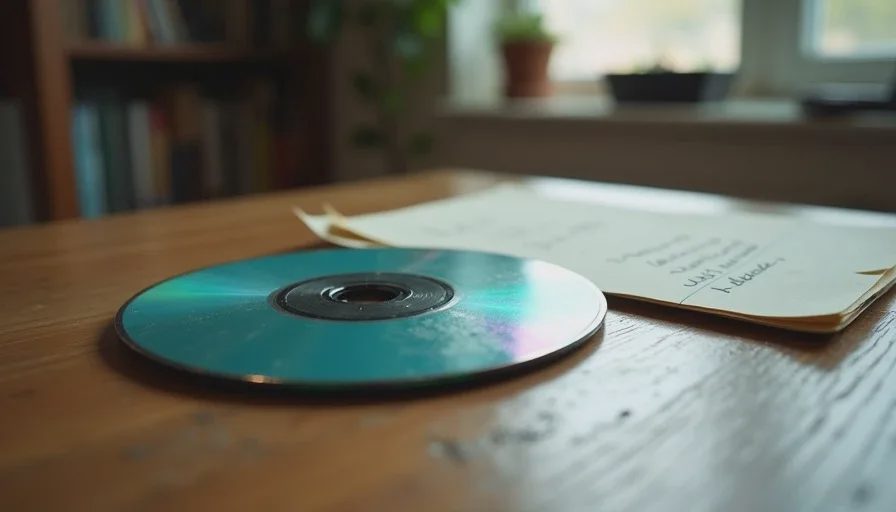
Does the physical object (manual, box, disc) still feel like part of the experience? | Tactile residue | Secondhand culture |
These checks are not a scoring system. They are habits of attention that developed from years of replaying older titles and watching newer ones age in real time.
What This Site Actually Does
Second Playfield is organized around four kinds of writing. Second Play is the core: full replays focused on how a game feels now. Thrift Receipt covers the physical finds—the discs with someone else’s save file, the strategy guides, the handwritten notes. Diner Window is the essay column, written from the edge of the topic. Backroad Saves ties the games to the roads and towns where they still turn up.
None of these formats require a release-day verdict. They require time, a second look, and a willingness to let the first encounter sit long enough to change. That is the opposite of the launch cycle, and it is intentional.
An Invitation, Not a Rule for Everyone
I am not arguing that day-one coverage should disappear. There is a place for technical reporting, accessibility notes, and early warnings about broken systems. What I am arguing is that the question most adult players actually need answered—“Is this worth my limited time once the noise is gone?”—cannot be answered in the first seventy-two hours with any reliability.
If you are the kind of player who still opens older titles, who finds games on thrift shelves, who prefers a clear verdict after the dust settles, this is the pace the site is built for. The writing will stay tied to place, memory, and the physical afterlife of media. It will not chase the next launch. It will ask whether a game still means something when you finally sit down with it, years later or simply after the conversation has moved on.
Some games don’t age well. Some just wait for you to catch up. The only way to tell the difference is to give them the time they require—and to refuse the pressure to declare a verdict before that time has been spent.