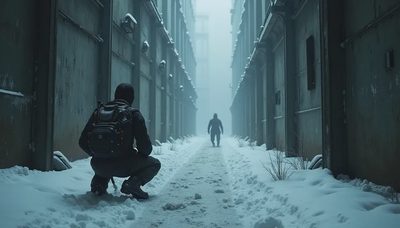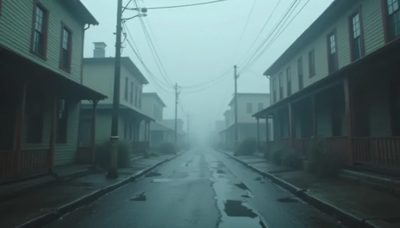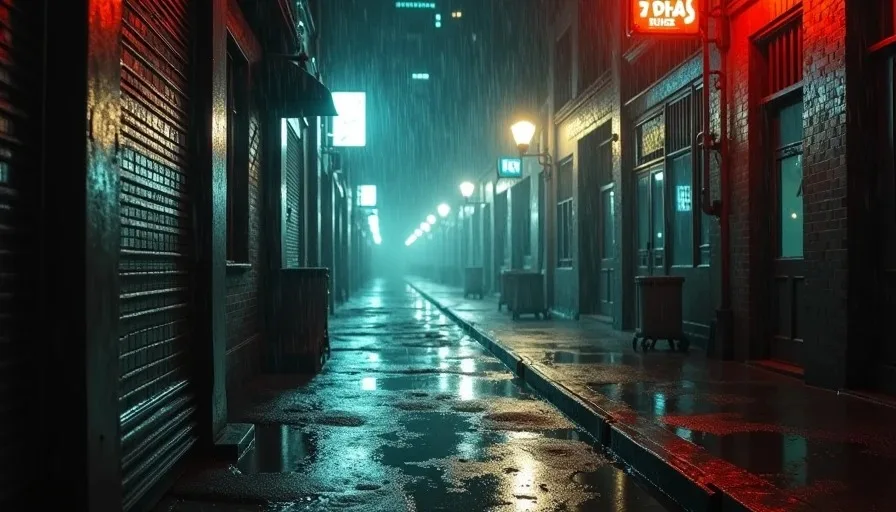
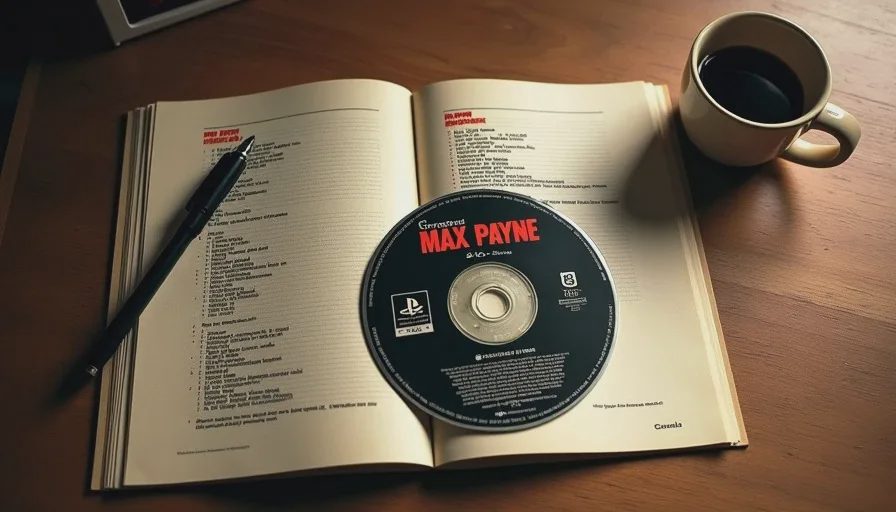
I replayed the original Max Payne on a stretch of quiet nights after the library closed, using a disc that still had the original jewel case and a manual with the noirish chapter titles intact. The question was not whether the bullet-time was still impressive. The question was whether the rain, the voice, and the sense of a man running out of options still felt human. In 2026 they do—more clearly, in some ways, than they did when the game was new.
Some games don’t age well. Some just wait for you to catch up. Max Payne waited for the surrounding culture to produce enough similar stories that its particular brand of exhausted fatalism no longer felt like a novelty. What remains is the weather, the monologue, and a structure that still knows how to make a corridor feel final.
What Holds After the Novelty Fades
In 2001 the technical tricks were the headline. Bullet-time, the graphic-novel panels, the dense internal narration—all of it announced a new kind of cinematic shooter. Those surfaces have been absorbed and repeated. What has not been fully absorbed is the game’s willingness to stay with a single emotional register: a man who has already lost the only things that mattered and is now moving through the consequences.
The Elements That Still Read as Human
Element | How It Worked in 2001 | How It Reads Now |
|---|---|---|
Narration | Stylish, dense, noir pastiche | Still specific; the voice remains a character |
Weather | Atmospheric backdrop | Feels like pressure rather than decoration |
Pacing | Chapter structure, set-piece rhythm | Still willing to slow down between the set pieces |
Violence | Stylized and central | Now reads as the only language the character has left |
Ending | Bleak, consistent | Still refuses a redemptive arc |
The table is a reminder that the game’s humanity was never located in high fidelity or in moral complexity. It was located in consistency. Max Payne does not escape his register. The rain does not stop. The monologue does not turn hopeful. That refusal is clearer now that fewer games are willing to stay in one emotional key for the full runtime.
Replaying Without the 2001 Frame
When I first played it, the comparison points were other shooters and other attempts at interactive cinema. Replaying it now, the comparison points are different: slower crime stories, games that treat violence as a closed system rather than a power fantasy, and titles that understand weather as a form of pressure. Max Payne sits more comfortably among those than it did among its original peers.
The controls are dated. The level design is linear in ways that modern open structures have made feel narrow. Those limitations are real. They are also secondary to the thing the game still does well: putting the player inside a continuous state of aftermath. The shootouts are the punctuation. The sentences are the rain and the voice.
I drafted the notes in the usual diner booth, with the legal pad and the thin coffee. The question at the top of the page was whether the game still produced a specific feeling once the technical conversation was removed. The answer was the same weather, the same exhausted cadence, the same sense that the character had already run out of better options before the first level began.
The linear levels that once felt narrow now read as a closed system of aftermath. There is nowhere else for Max to go, and the game does not pretend otherwise. Modern open structures often dilute that pressure by offering side routes and collectibles that soften the emotional register. Burnout 3 and other finite titles share a related clarity: when the list ends, the claim on your attention ends with it. Max Payne ends in a different key, but the same structural honesty applies. The rain does not stop because a season reset requires new content. It stops because the story has nowhere left to take him.
I keep the disc in the same stack as the other second-play titles that still feel finished. The jewel case is cracked. The manual still lists the chapter titles in that noirish type. Those physical details are not proof of quality. They are proof that the object was designed to be completed and put away. That design choice is rarer now, and it is one reason the human register of the game has become easier to hear.
Who This Replay Is For
If you need fluid modern gunplay and constant mechanical novelty, the original Max Payne will feel stiff. If you want a game that still treats a rainy corridor and a tired monologue as the real content, it remains one of the clearest examples. The humanity is not in the character’s growth. It is in the consistency of his decline, and in the game’s refusal to look away from it.
Some games don’t age well. Some just wait for you to catch up. Max Payne waited for the surrounding noise to quiet down. When it did, the rain and the voice were still there, and they still felt like the point.