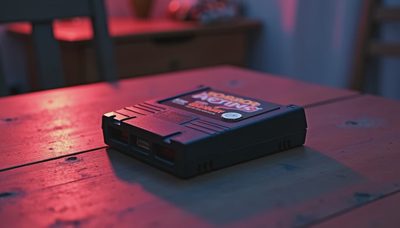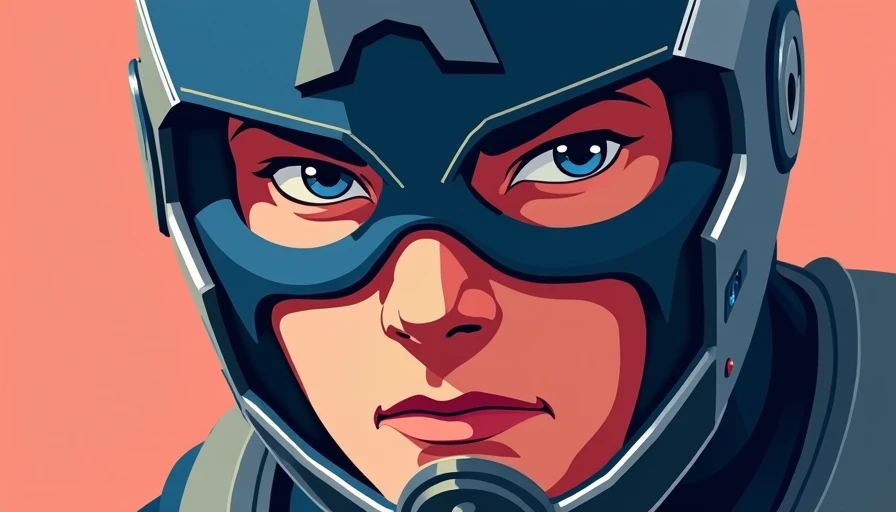
Star Gladiator is the sort of game I might find in a thrift-store bin beneath a scratched sports title and three copies of a wrestling game. The cover would promise bright space combat, heroic poses, and a future that still looked comfortably tied to the late 1990s. I would take it home, set the disc beside an old PlayStation, and wonder whether memory had been kind. Some games don't age well. Some just wait for you to catch up.
A fighting game with a different kind of future
Released in arcades before arriving on the original PlayStation, Star Gladiator came from Capcom during a period when fighting games were trying on new clothes. Street Fighter II had established the language, and the company was exploring how that language might work with three-dimensional arenas, science-fiction settings, and weapons that gave every character a little theatrical silhouette.
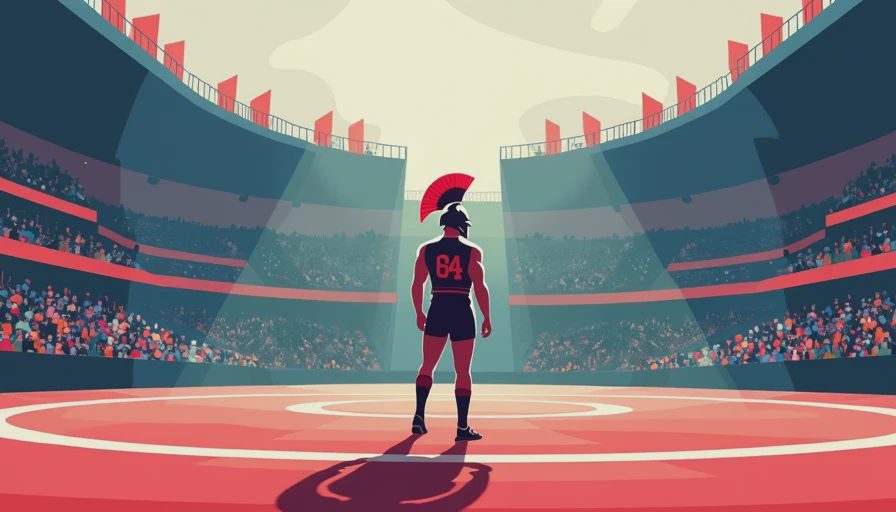
The result is not a complicated game to understand. Two fighters face each other in a compact arena, move around a circular space, block, strike, and look for an opening. Yet the presentation gives those familiar exchanges a pleasant Saturday-morning seriousness. There are armored heroes, alien-looking rivals, energy blades, and a story that treats an intergalactic tournament as if it were the most reasonable thing in the world.
That directness is part of the appeal now. Star Gladiator does not ask for a season pass, a tutorial tree, or a permanent internet connection. You choose a fighter, learn the reach of a weapon, and start discovering which attacks can be trusted. The game gets to the point quickly, which feels almost radical after years of menus designed to delay the actual play.

What still feels good in Star Gladiator
The strongest part of Star Gladiator is its sense of contact. Hits have a visual and audio weight that makes a successful counter feel more satisfying than its modest move list might suggest. A sword swing occupies space. A missed attack leaves a fighter exposed. Even when the computer opponent behaves predictably, those small decisions create a rhythm that is easy to settle into after work, when you have forty minutes and not an entire weekend.
The roster also has more personality than a quick screenshot might suggest. Each fighter carries a different shape, color scheme, and weapon identity, so selecting a character feels like making a genuine choice rather than choosing a costume. The designs belong to an older vision of science fiction, one filled with chrome, capes, glowing weapons, and suspiciously clean laboratories. It is less interested in grim realism than in making every match look like the cover of a rented video.
The PlayStation version shows its age, especially when the camera shifts or the arena geometry becomes visually busy. Still, the limitations can become part of the texture. Characters have the stiff confidence of early 3D figures, and the arenas feel like small stages built from a handful of bold ideas. This is not a technical showcase today. It is a preserved slice of a moment when developers were still deciding what a three-dimensional fighter should be.
Where the game has lost some ground
A second look should not become an apology. Star Gladiator can feel thin beside more celebrated fighting games from the same era. The move lists are not deep enough to support the kind of long-term study that keeps a competitive community alive, and the artificial intelligence can lose its mystery after several matches. You may recognize the computer's habits before you fully understand your own character.
The PlayStation presentation can also make the experience less comfortable for modern players. Loading breaks interrupt the flow, the visual clarity is uneven, and the controller does not offer the same immediate precision many people now expect from a fighting game. If you arrive hoping for a hidden masterpiece that overturns the entire genre, disappointment is likely.
What the game offers instead is a compact historical experience. A few evenings are enough to see its ideas, finish several arcade runs, and understand why it has remained a curious footnote rather than a household name. That is not an insult. Plenty of worthwhile games occupy that exact shelf.
Playing it now without turning it into homework
The best way to approach Star Gladiator is with a small plan. Use a modern display if you have one, but do not spend more time adjusting filters than fighting. Pick one character whose design catches your attention. Play through the arcade mode once without looking up a tier list. Then try the same fighter again and pay attention to spacing, defensive timing, and which attacks leave you vulnerable.
A second controller helps more than a stack of online guides. The game becomes clearer when another person is learning beside you, even if neither player knows the optimal strategy. I can picture it working especially well in a living room with an old coffee table, a bowl of pretzels, and the low-level argument that always begins when somebody insists a character is unfair.
If you are buying a physical copy, inspect the disc for heavy scratches and make sure the case includes the manual when possible. The booklet matters here because older fighting games often explained their unusual controls through brief diagrams and character notes. A complete copy might cost more than a loose disc, but the manual adds the feeling of opening a time capsule rather than merely launching software.
The memory attached to the machine
Part of Star Gladiator's charm comes from everything around it. It belongs to the era of rental cases, memory cards, printed cheat sheets, and televisions that occupied half a bedroom. You might have encountered it after choosing a more famous fighter, or discovered it because the cover looked strange enough to justify spending a weekend rental fee.
That context changes how the game lands. Modern players can compare every system immediately, while older players often met games through accident and limited shelves. A title did not need to be the best thing available. It only needed to be there on a rainy Saturday, with enough color and noise to keep you playing past dinner.
Star Gladiator carries that accidental quality. Its ideas are familiar, but its combination of space opera, weapon fighting, and early polygonal staging gives it a particular kind of residue. It feels like a game rescued from the edge of a larger story.
Is Star Gladiator worth revisiting?
Yes, if you approach it as a modest, distinctive second play rather than a lost champion. Star Gladiator remains interesting because it shows Capcom searching for a new shape for the fighting game. Its combat is accessible, its cast is memorable, and its visual style preserves a specific late-1990s idea of the future.
No, it is not the place to start if you want the deepest fighter on the original PlayStation. More influential games provide stronger systems, cleaner balance, and better reasons to keep practicing. But influence is not the only measure of a good evening. Sometimes a game earns its place by offering a brief trip to a world that nobody else quite built.
I would gladly put Star Gladiator on after a thrift run, when the car is still carrying the smell of old cardboard and cold air. I would play a few matches, read the manual, and let the dated spectacle do its quiet work. The game does not recreate the past perfectly. It gives the past a room, a soundtrack, and something to swing.
That is enough for a second play.